Synthesis
pORFOLIO
This portfolio brings together my work and development across the Major Project, documenting my progression through real-world production. It reflects how I’ve approached filmmaking in unpredictable environments, balancing planning with instinct to capture authentic moments.
Rather than just presenting final outcomes, this portfolio shows the process behind my work — including decision-making, collaboration, and problem-solving. Alongside this, my reflections highlight how my technical skills and creative approach have evolved through experience and feedback.
Across this portfolio, my work consistently explores authenticity, culture, and capturing real, unfiltered moments. However, as the projects progress, there is a clear shift from purely observational, documentary-style work towards more intentional, client-focused production. This reflects my development not only as a creative but as a professional working within industry contexts.
Overall, this portfolio represents my shift towards a more professional and intentional practice within film and content production.
“Hair studio by Anissa” - Paris Collaboration (2026)
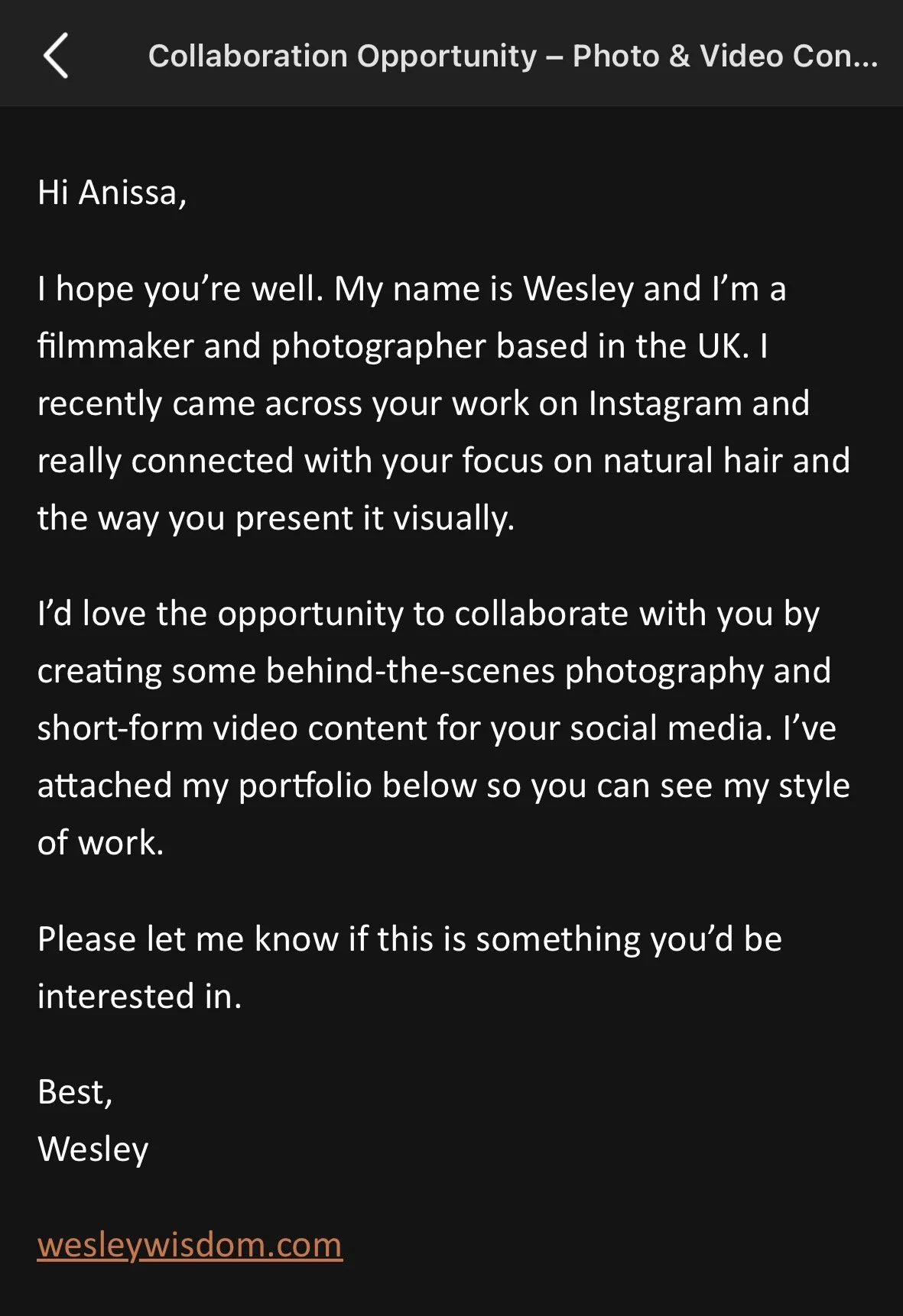
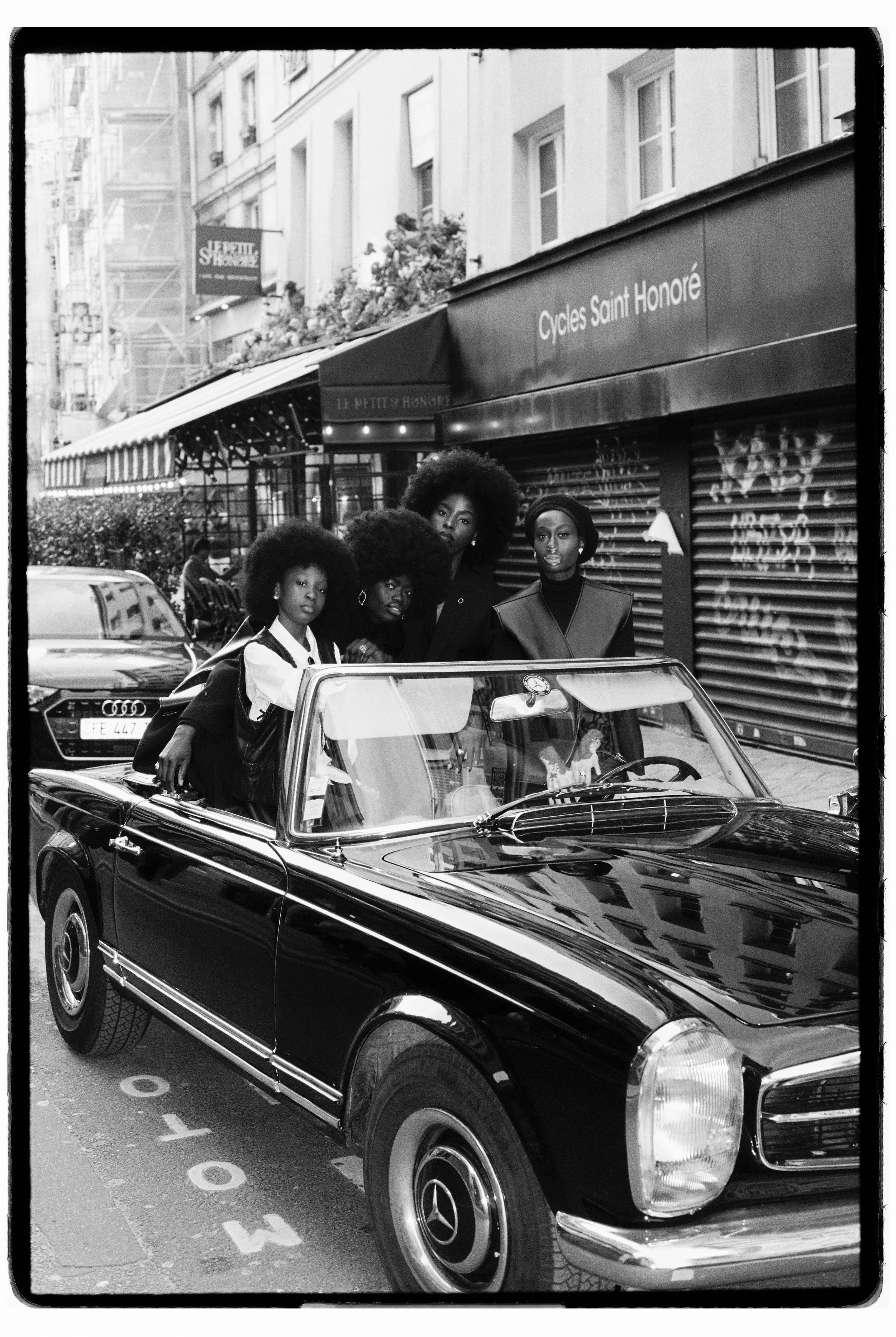
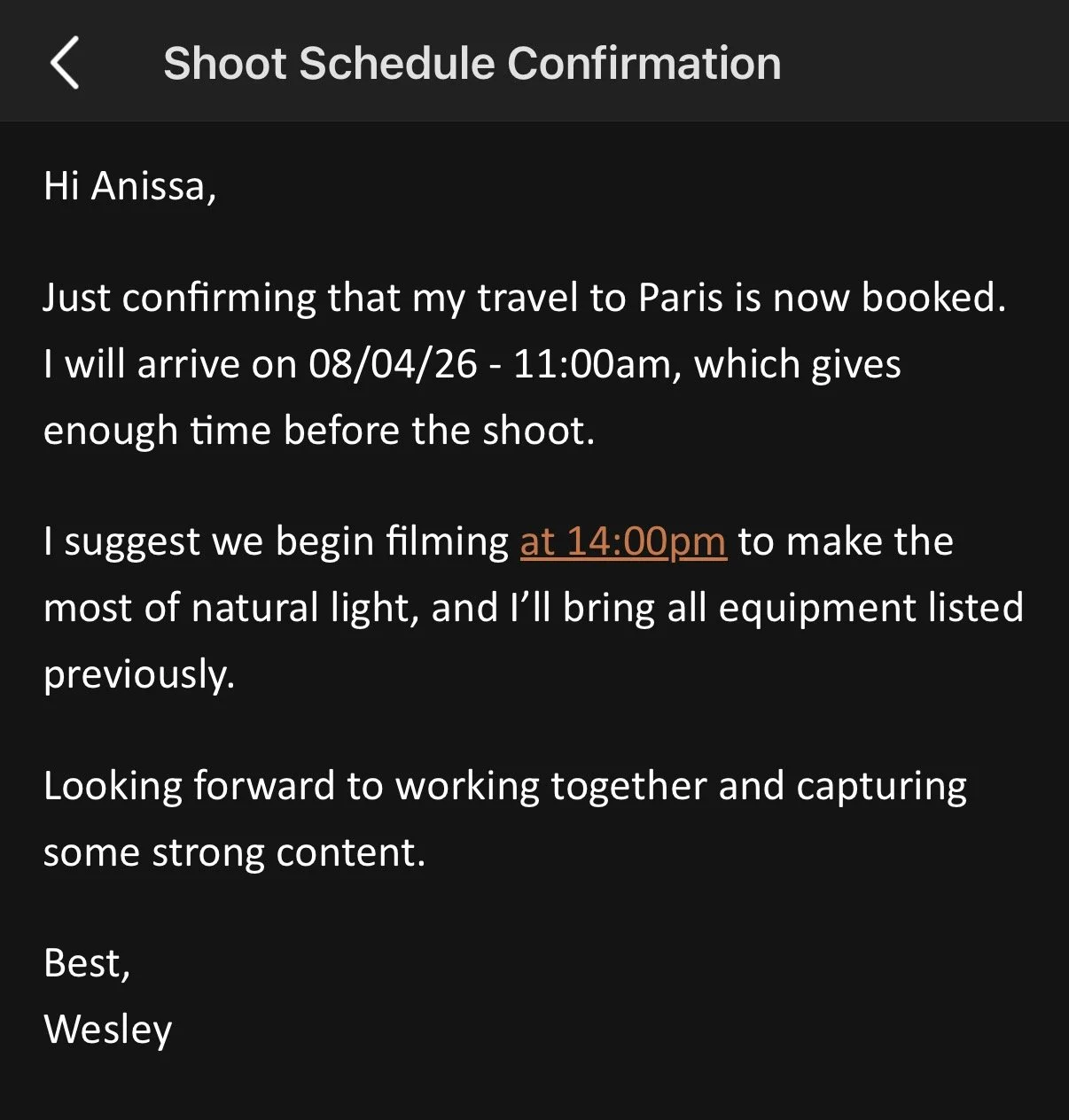
This opportunity came about through my own research and initiative. While browsing Instagram, I came across Hair Studio by Anissa, a Paris-based brand whose work focuses on the beauty and authenticity of natural Black hair. Their visual identity and message immediately resonated with me, both creatively and personally, as a Black filmmaker interested in documenting culture in an honest and respectful way.
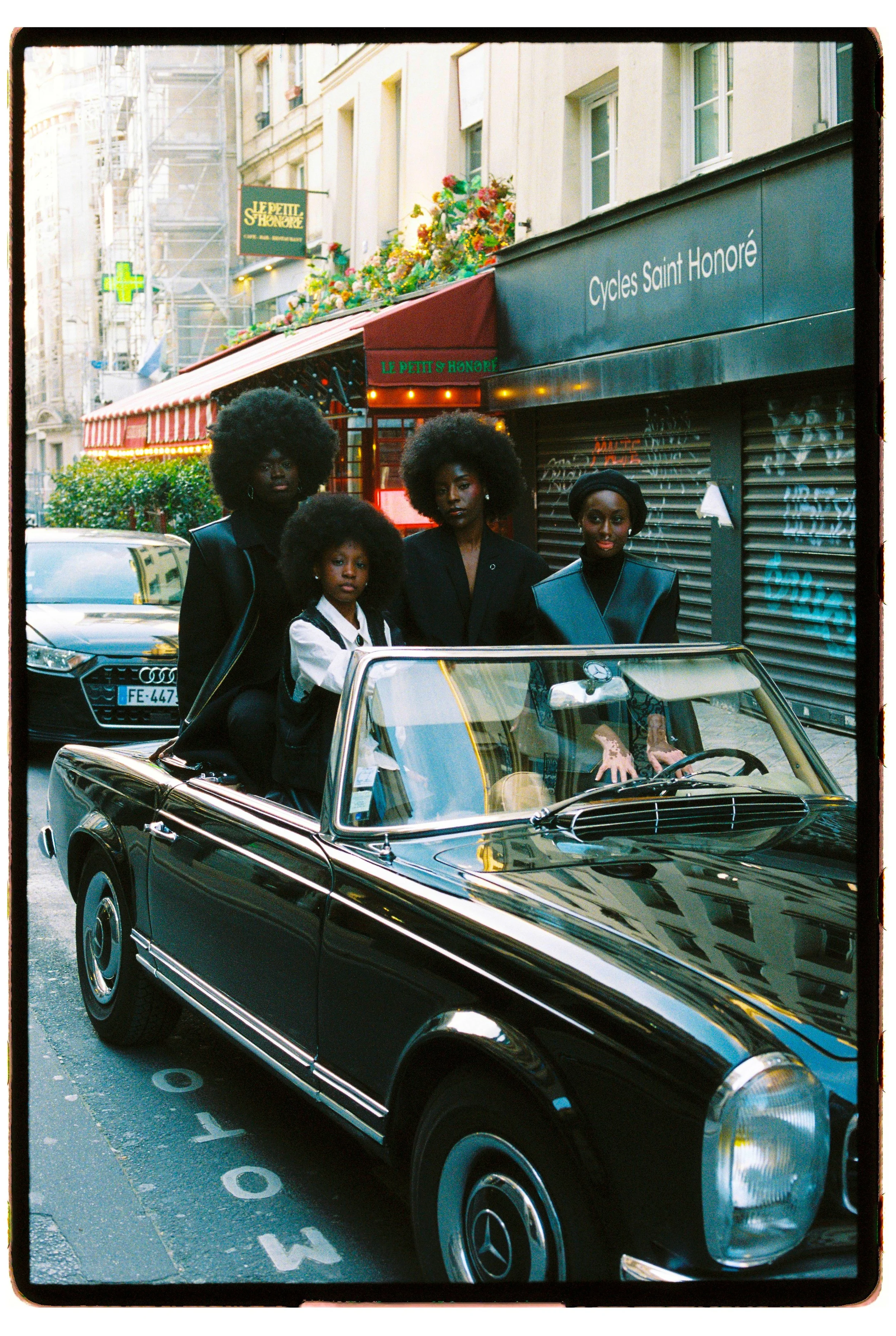
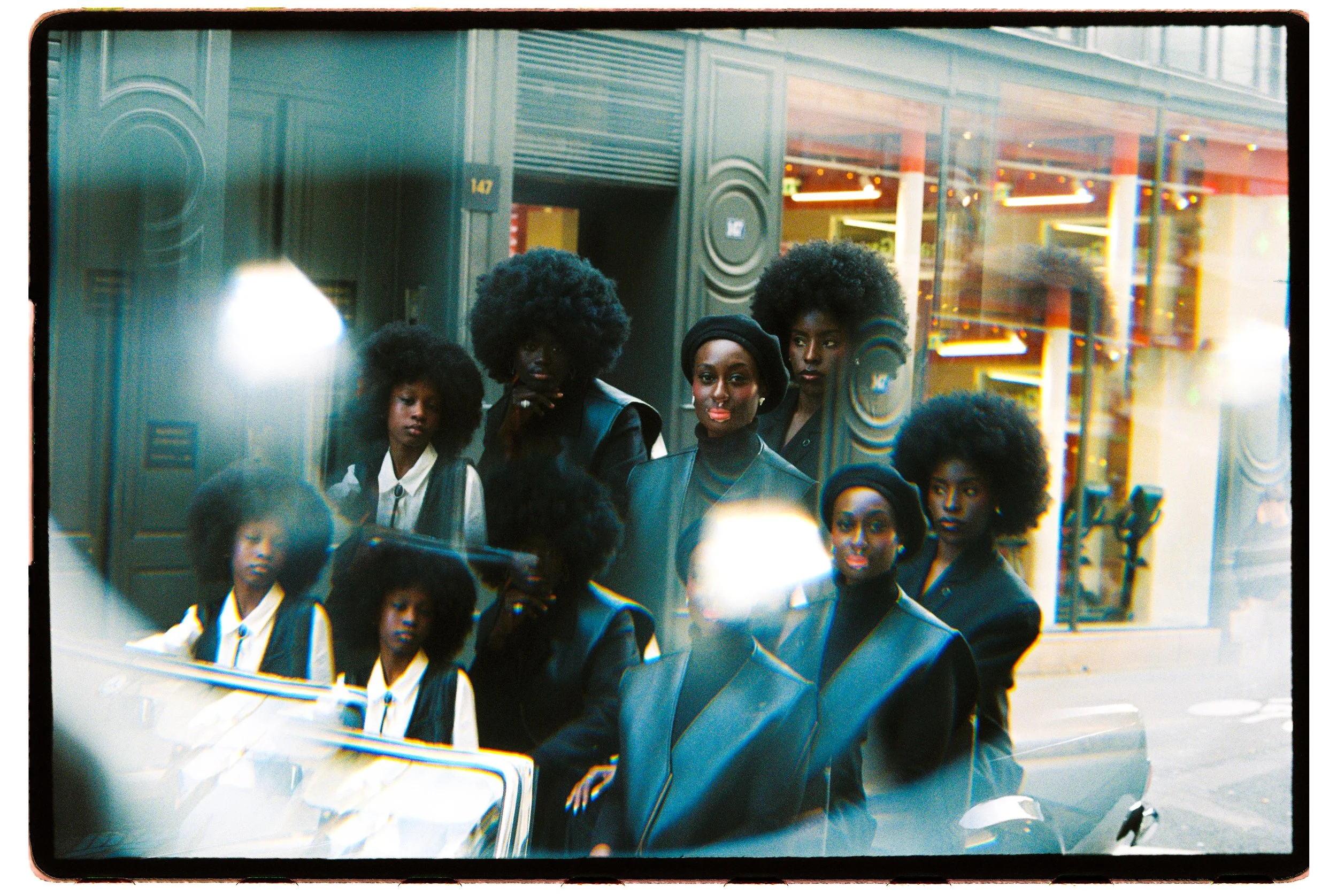
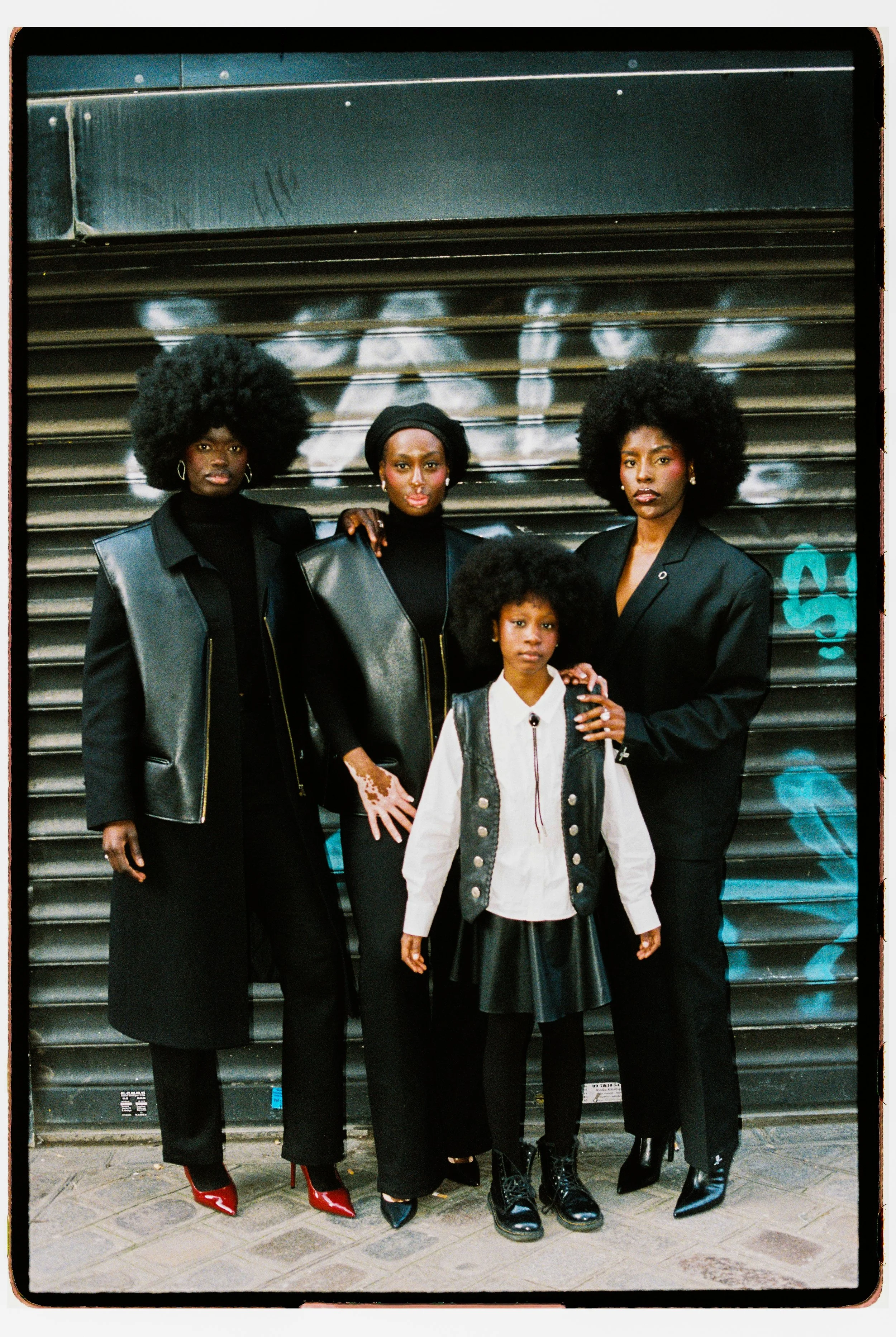
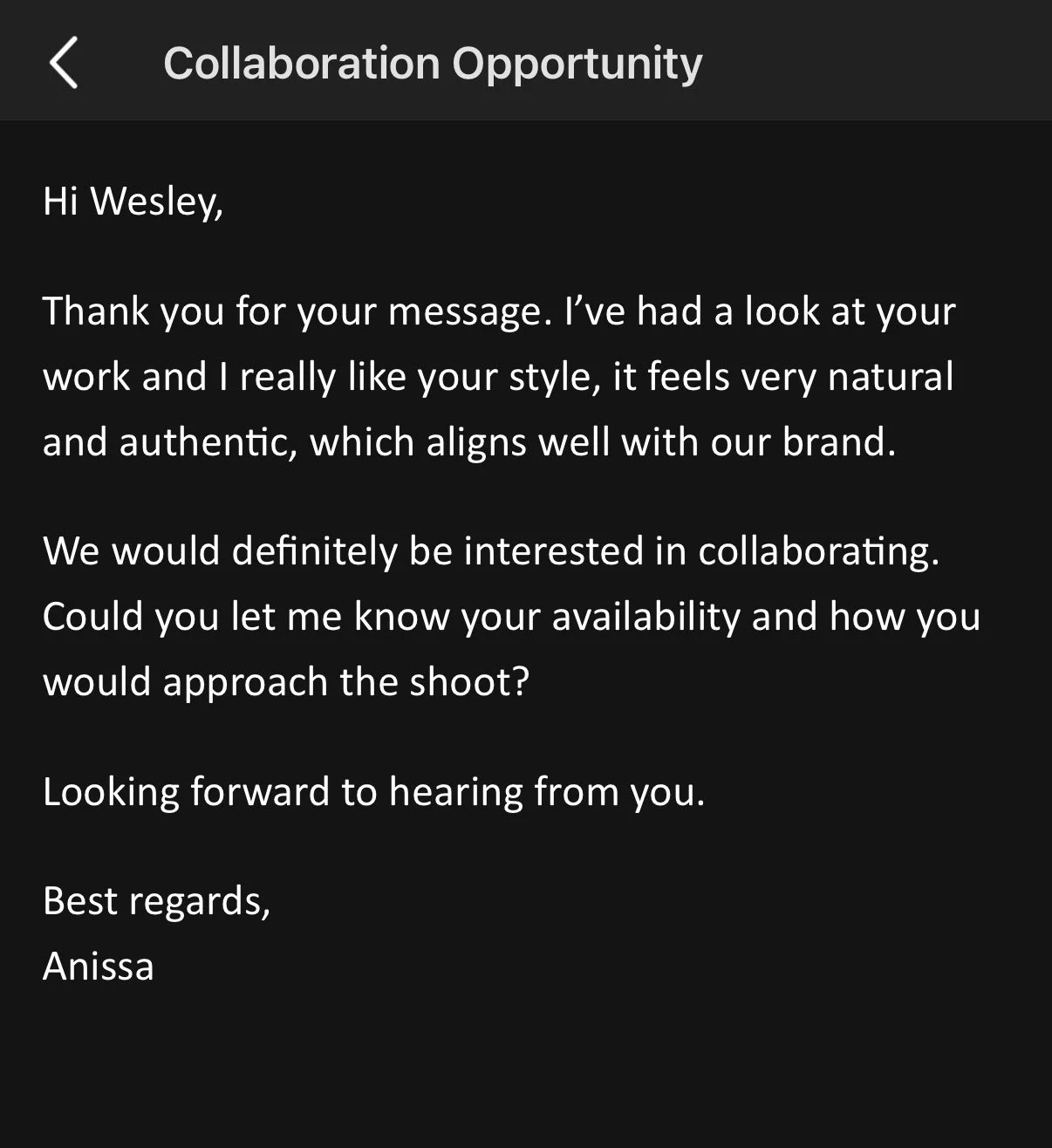
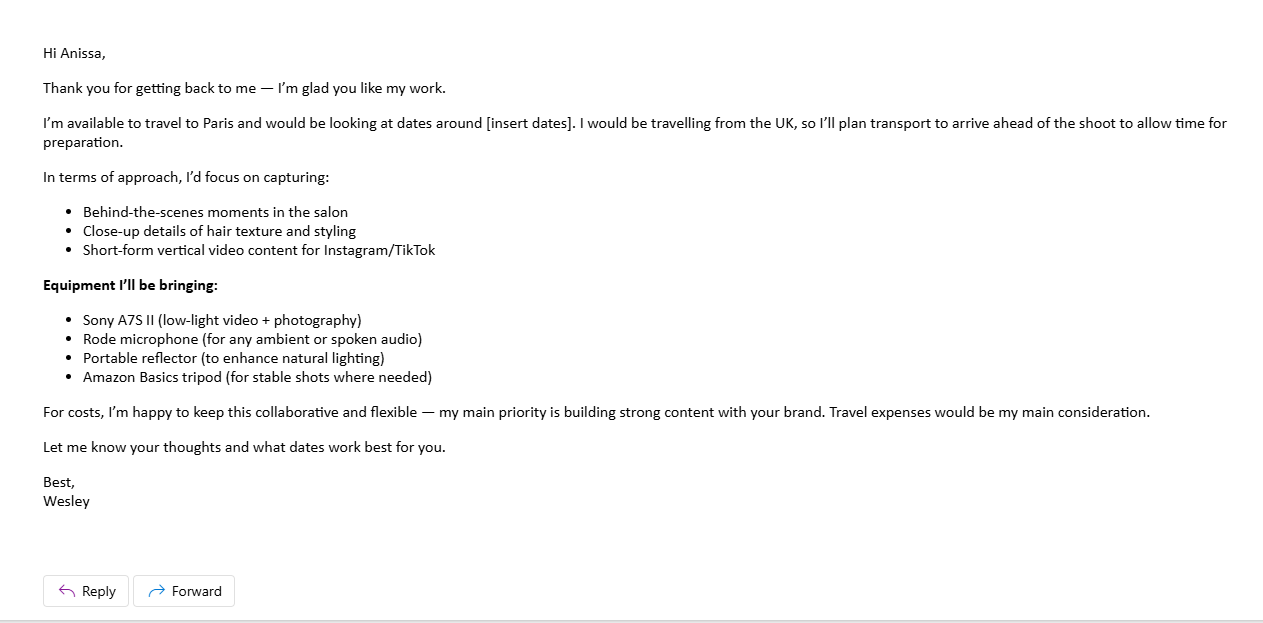
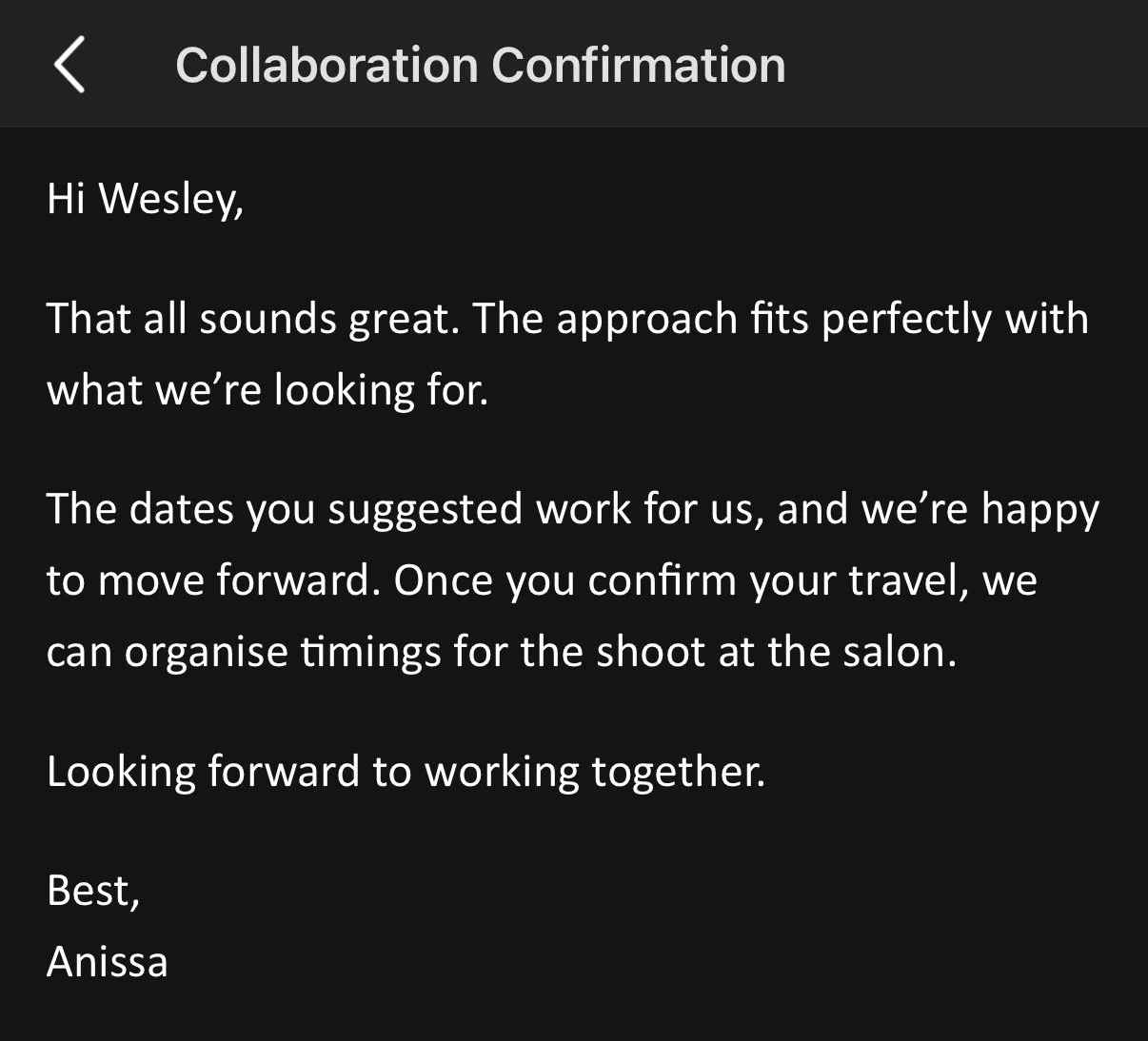
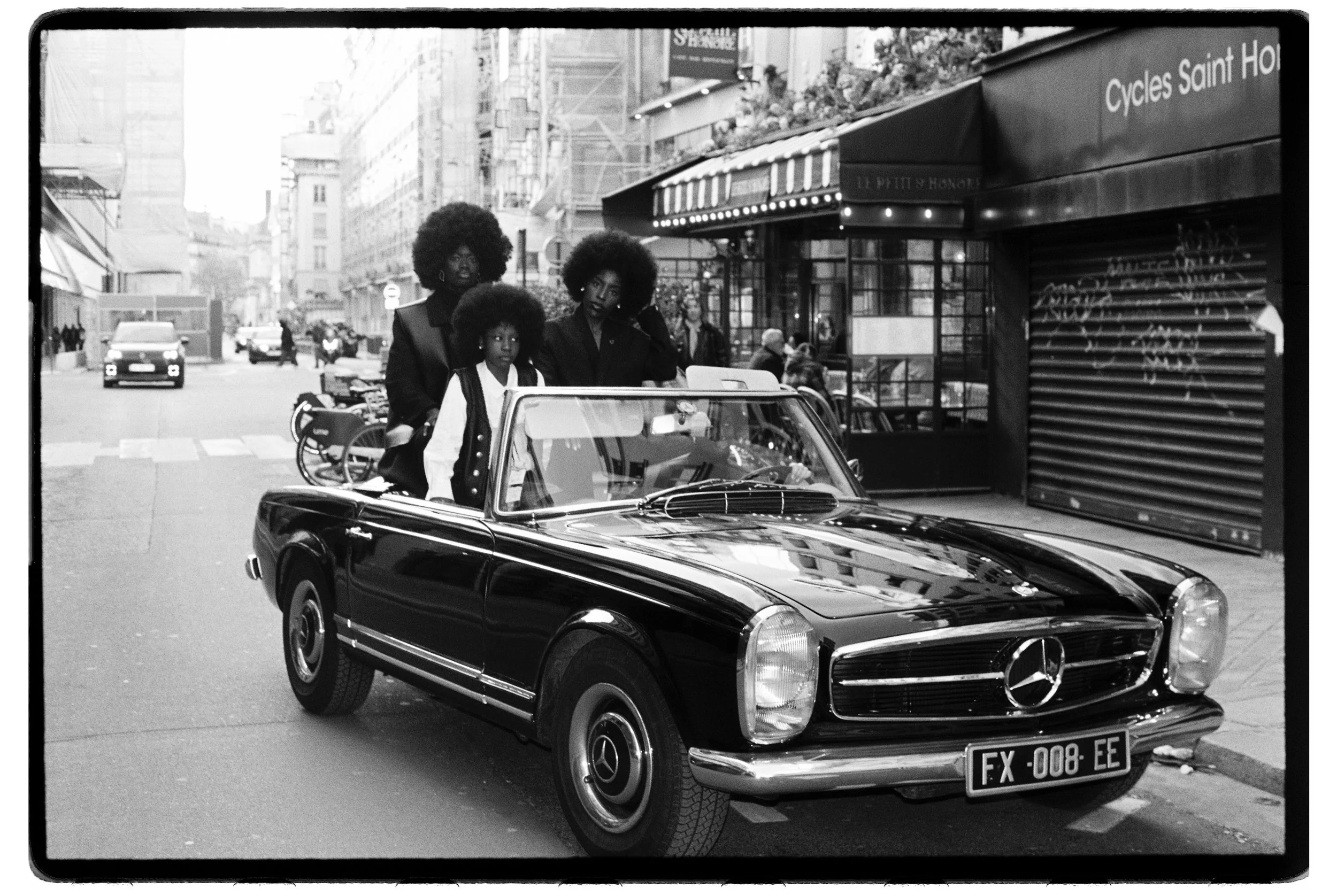
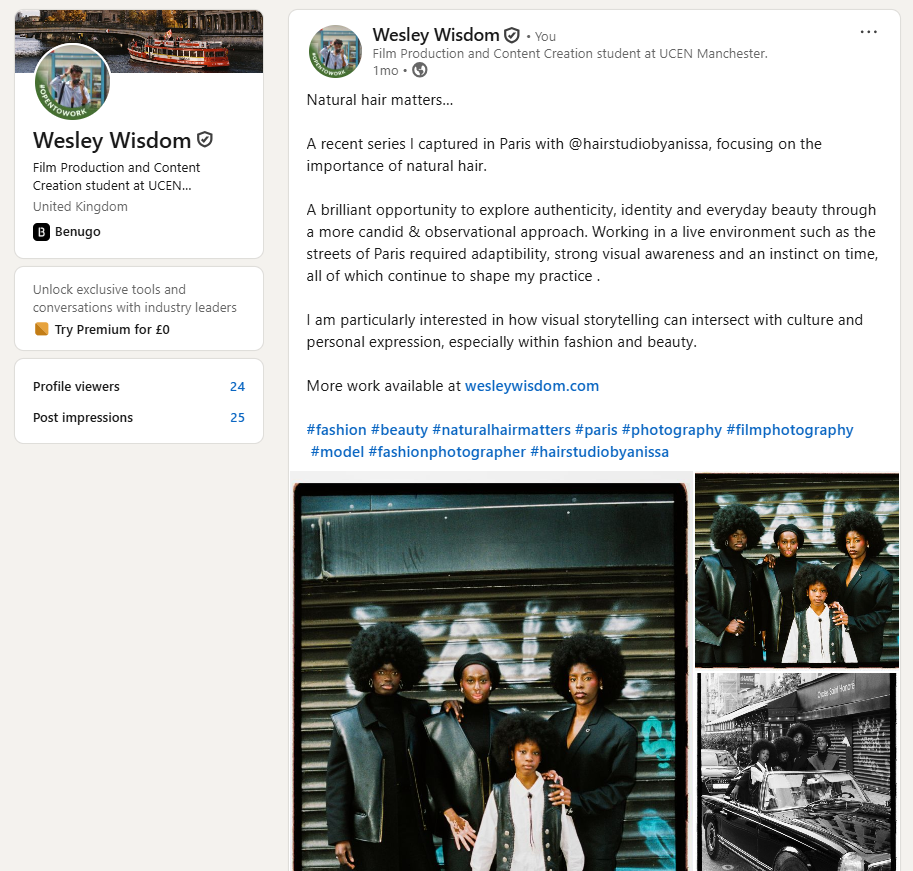
After reviewing their content, I reached out directly via Instagram, sharing my portfolio and expressing my interest in working with them. This initial contact led to a collaboration opportunity, where I travelled to Paris to create behind-the-scenes photography and video content, including filming TikTok-style promotional videos for their platform.
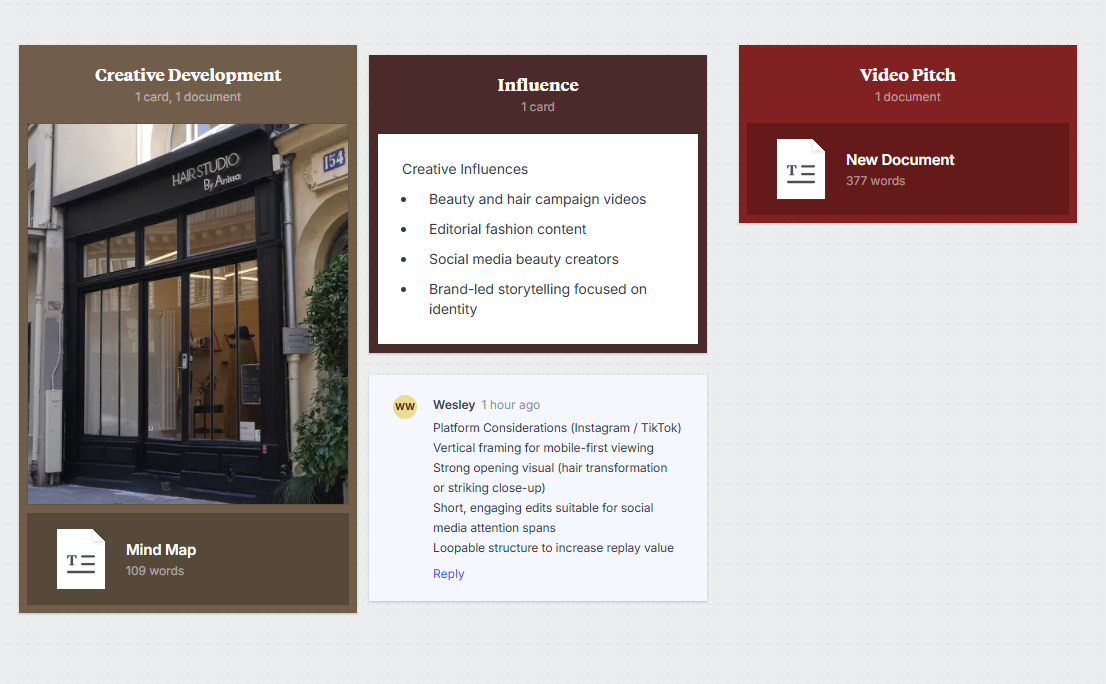
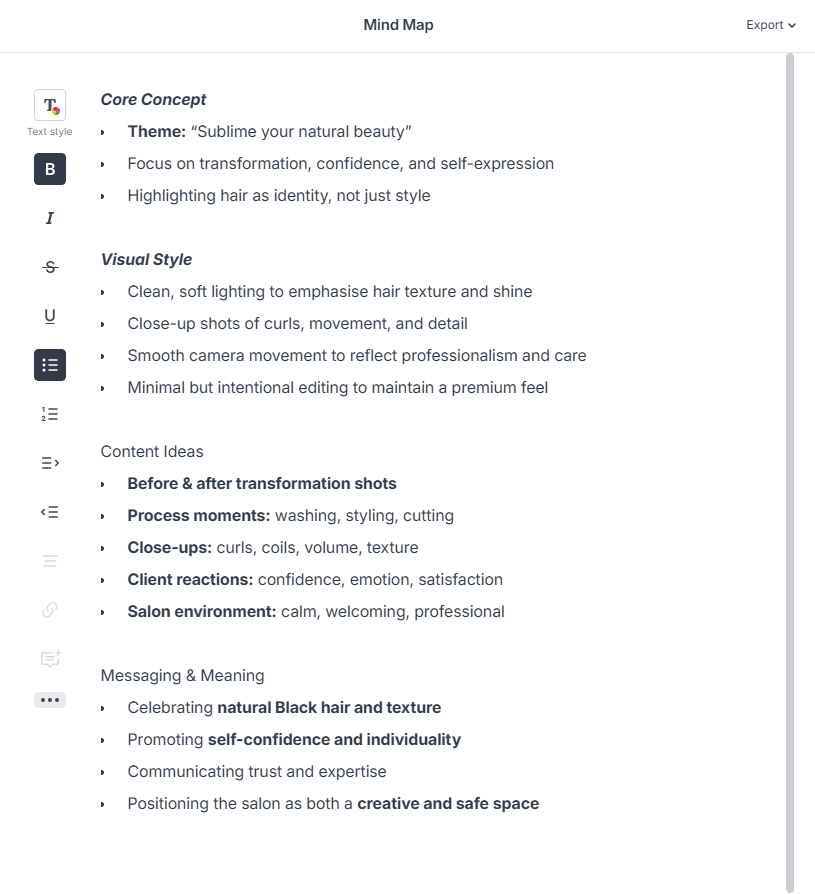
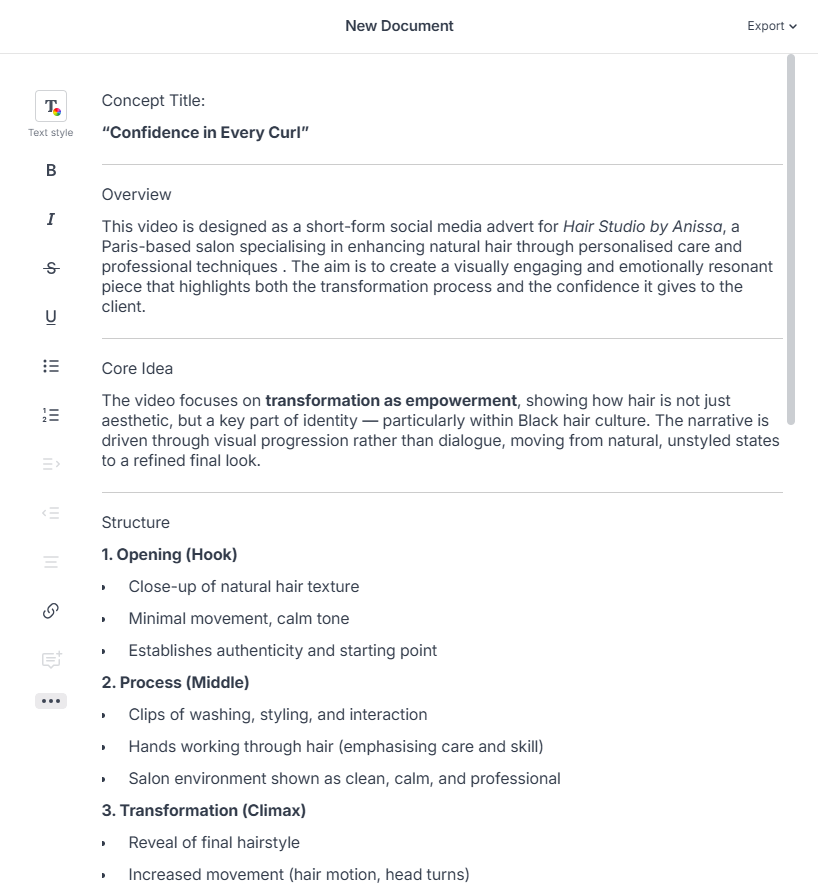
In preparation for the shoot, I developed a mind map of creative ideas, focusing on street photography and short-form video concepts that would align with their brand. This included capturing natural interactions, movement, and texture, while using the Paris environment to enhance the visual storytelling. These ideas are demonstrated in the video linked below.
This experience highlights my ability to independently source opportunities, communicate professionally, and translate creative ideas into practical production work. It also reflects my interest in culturally relevant storytelling and my intention to create work that feels both authentic and visually engaging.
Overall, this experience was a significant step in my development as a creative practitioner. Although this was not a high-end production and was unpaid, it provided a valuable opportunity to step outside of my comfort zone and work directly with a brand in a new environment. Travelling to Paris and producing content for Hair Studio by Anissa pushed me to take more responsibility, both creatively and professionally.
One of the most important aspects of this project was the independence it required. From initiating contact, to planning the shoot, to delivering content, I was responsible for the full process. This helped me build confidence in my ability to create opportunities for myself rather than relying on structured or university-led projects.
Creatively, the project allowed me to explore a different style of work. Compared to my usual approach, which is more raw and documentary-based, this required a more refined and brand-focused outcome. This challenged me to think more carefully about composition, lighting, and how content communicates a clear message to an audience.
However, the project also highlighted areas for improvement. My pre-production planning could have been more detailed, particularly in terms of shot lists and time management. At times, I relied too heavily on reacting in the moment rather than following a structured plan. Moving forward, I aim to combine my strength in capturing authentic moments with more precise preparation to improve consistency and overall quality.
Despite not being a large-scale or paid production, this experience was valuable in developing real-world skills. It demonstrated my ability to engage with clients, adapt to new environments, and produce content with a clear purpose. Most importantly, it reinforced my confidence in working within the creative industries and taking initiative to build my own opportunities.
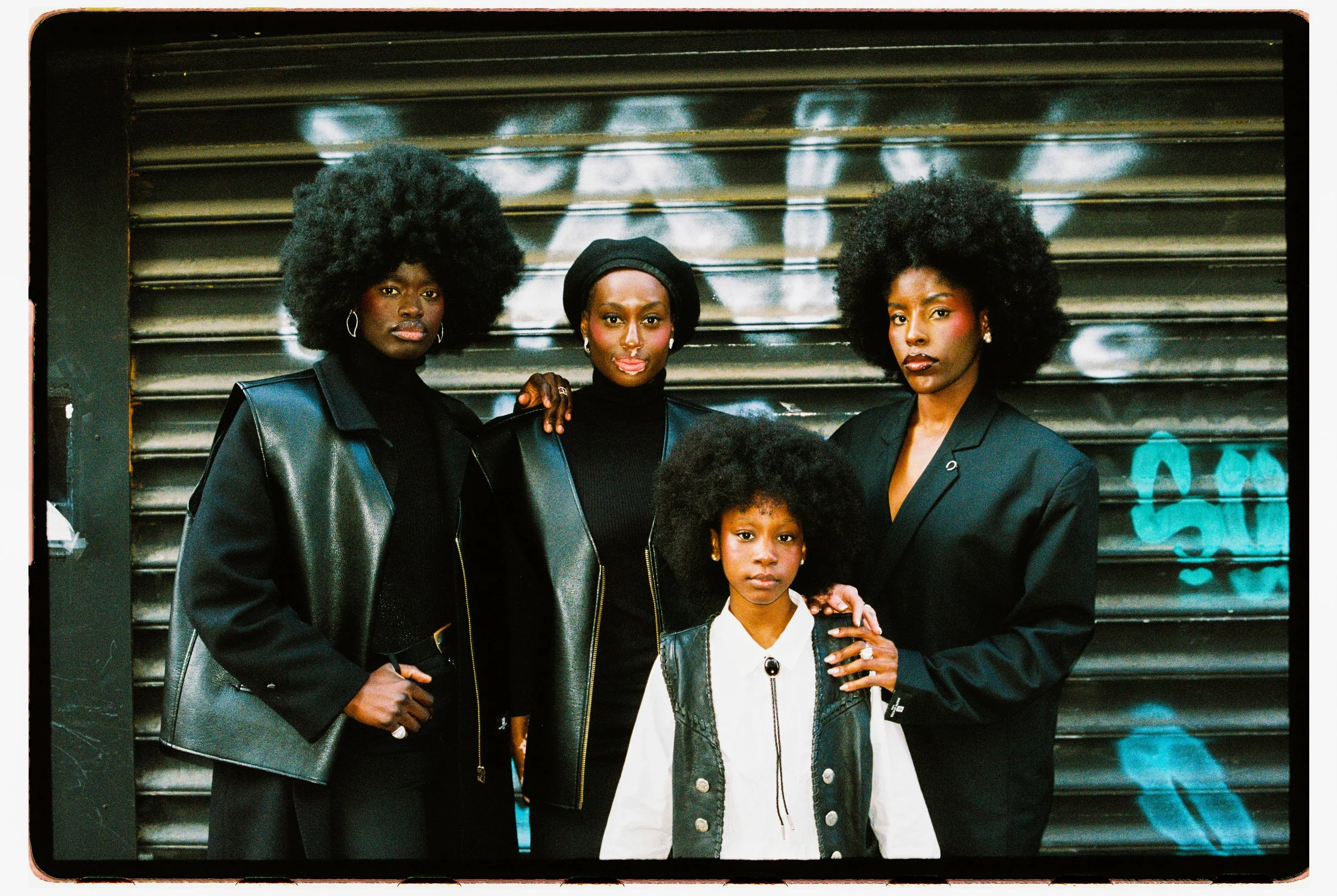
Google Drive Link to videos - https://drive.google.com/drive/folders/1dHQY7muOlOISKeM9uv0-SIDmSYCb31aV?usp=sharing
Planning & Communication – Milanote Mood Board
To develop and communicate my ideas clearly, I used Milanote to create a structured mood board and planning document for Hair Studio by Anissa. This allowed me to visually organise my concepts, including references for lighting, composition, colour, and overall tone, alongside written notes explaining the direction of the shoot.
The mood board included:
Visual references for hair texture, close-ups, and transformation shots
Examples of clean, beauty-focused lighting
Ideas for framing, movement, and pacing
Notes on messaging, focusing on confidence and natural beauty
Using Milanote enabled me to present my ideas in a clear and professional format that was easy for the client to understand. Rather than explaining concepts informally, I was able to show a cohesive vision, which helped align expectations before production began.
Once completed, I exported the mood board as a PDF and shared it with the client. This step reinforced professionalism by creating a formal document that could be reviewed, approved, and referred back to during the shoot. It also demonstrated organisation, preparation, and an understanding of industry-standard workflows when working with clients.
This process improved my ability to communicate creative ideas effectively and professionally. It showed the importance of translating abstract ideas into clear visual plans that clients can engage with. Moving forward, I will continue to use tools like Milanote to strengthen my pre-production process, while developing even more detailed planning to further improve efficiency during production.
Reflection on Idea Development
This planning process allowed me to shift my approach from raw documentary-style content to something more refined and brand-focused. It helped me understand how to align visuals with a client’s identity and audience. However, I recognise that my ideas could have been developed further into more structured shot sequences to improve efficiency during filming. Moving forward, I will aim to combine this level of creative thinking with more detailed planning.
Behind the Scenes Photography
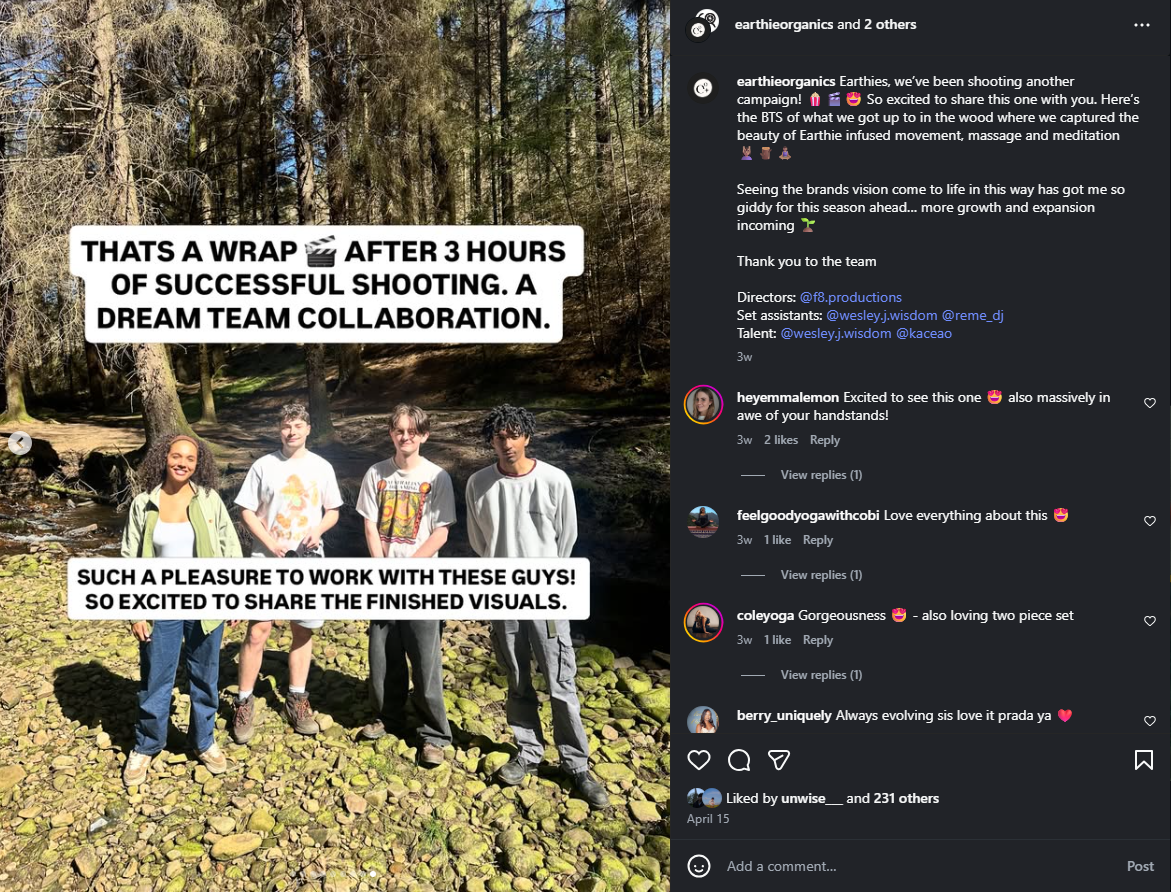
“EARTHIE ORGANICS CAMPAIGN - COLLABORATION WITH F8 PRODUCTIONS” (2026)
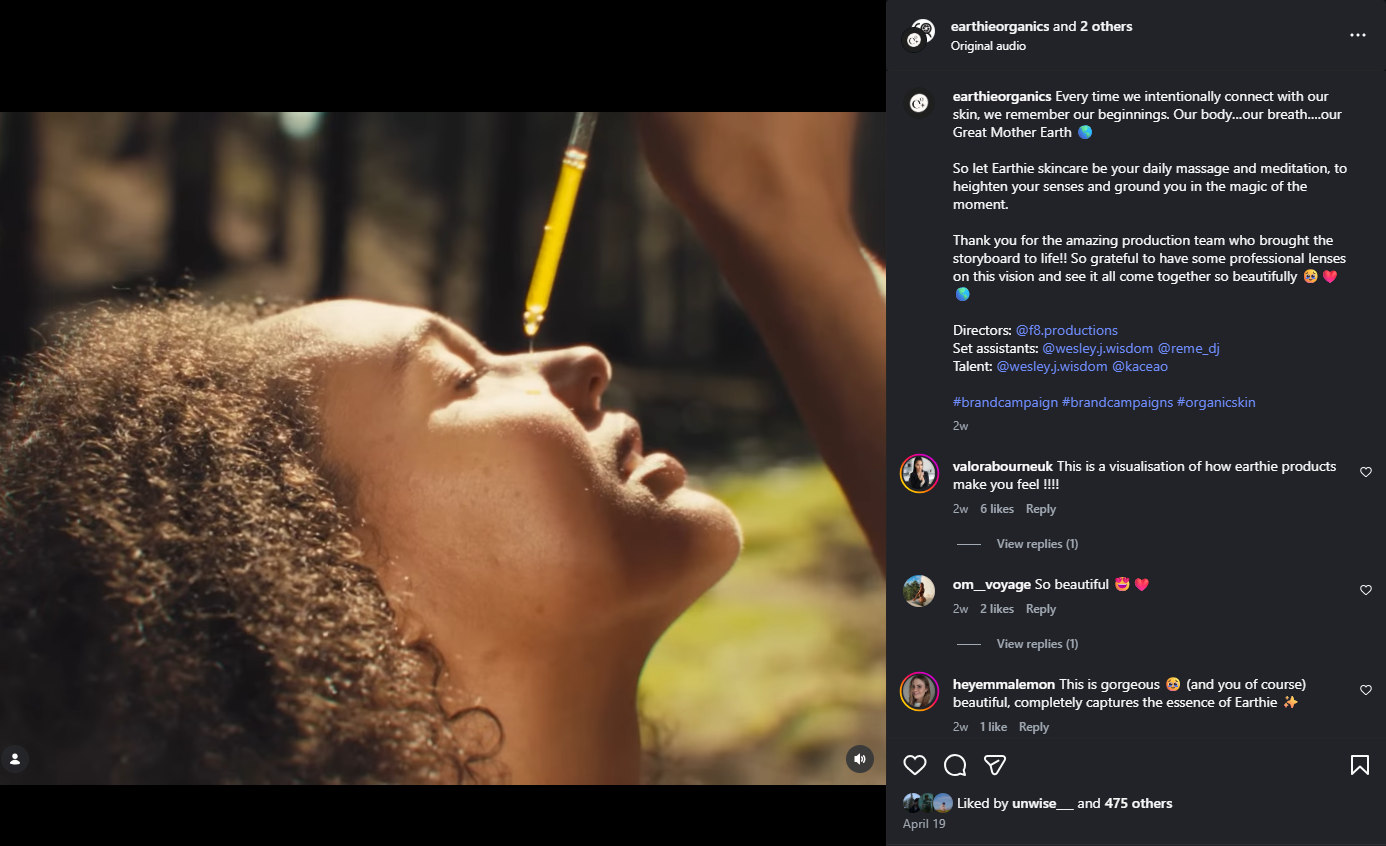
This opportunity came through collaboration with my classmate George Jamieson, who invited me to assist on a campaign shoot for Eartie Organics, a small independent brand. The shoot took place in the Peak District, using natural landscapes to reflect the brand’s organic and environmentally conscious identity.
My role on this project was to support the production across multiple areas. This included capturing behind-the-scenes (BTS) content and additional coverage, as well as assisting practically on set to ensure the shoot ran efficiently. I worked in a flexible role, adapting to the needs of the production throughout the day.
Responsibilities
Shooting BTS photography and video to document the production process
Capturing extra coverage to support the main campaign visuals
Assisting with equipment and general set support
Holding and positioning a reflector to control natural light
Operating the Sony FX3 when required, contributing directly to filmed content
Additional Considerations – Safety & Environment
Filming in the Peak District introduced additional safety considerations due to the natural and uncontrolled environment. One key challenge involved accessing a location that required crossing a river via a fallen tree, which presented a risk in terms of balance, equipment safety, and personal injury. This required careful decision-making and awareness from the team to ensure that both people and equipment were moved safely.
Working in this environment also meant adapting to uneven terrain, changing weather conditions, and limited access to resources. As a result, I became more aware of the importance of risk assessment, even in smaller-scale productions. Simple actions, such as managing equipment securely and maintaining clear communication, were essential in reducing potential hazards.
This experience developed my understanding of health and safety within location-based shoots, reinforcing the need to balance creative ambition with practical awareness. Moving forward, I will ensure that risk is considered more formally within my pre-production planning, particularly when working in outdoor or unfamiliar environments.
Platform Strategy – Instagram Algorithm Awareness
This campaign content was also designed with the Instagram algorithm in mind, particularly the platform’s current prioritisation of short-form video such as Reels. In 2025, Instagram favours content that generates strong early engagement, including watch time, shares, and replays, as well as videos that immediately capture attention within the first few seconds . As a result, the video adopts a fast-paced, visually engaging style with strong opening shots and continuous movement to retain viewer attention.
The use of vertical framing and short duration aligns with mobile-first viewing habits, which dominate social media consumption. Short-form video has become the primary format across platforms, with brands increasingly relying on it to maximise reach and engagement . By structuring the content to be loopable and visually dynamic, the video increases the likelihood of repeated views, which is a key signal used by the algorithm to push content to wider audiences.
Understanding and applying these principles is essential in today’s media industry, where success is not only based on creative quality but also on how well content performs within platform systems. This project demonstrates my ability to consider both creative intent and distribution strategy, ensuring that content is not only visually effective but also optimised for audience reach and engagement.
Reflection
This experience strengthened my understanding of working within a collaborative production environment. Unlike independent projects where I take full control, this role required me to support a wider team and respond quickly to direction. It developed my awareness of set etiquette, communication, and the importance of contributing effectively even in a supporting role.
Working in the Peak District also introduced new challenges, particularly with natural lighting and changing weather conditions. Using a reflector to shape light in outdoor environments improved my practical understanding of lighting techniques, while shooting on the FX3 allowed me to build confidence using industry-standard equipment in a live setting.
Although my role was not as a lead creative, this project was valuable in developing my adaptability and teamwork. It reinforced the importance of being reliable, proactive, and technically capable within a professional environment. Moving forward, I will apply these skills to both collaborative and independent projects, ensuring I can contribute effectively in any role on set.
Behind the scenes imagery
“SQUARE ONE - BTS PHOTOGRAPHER” (2026)
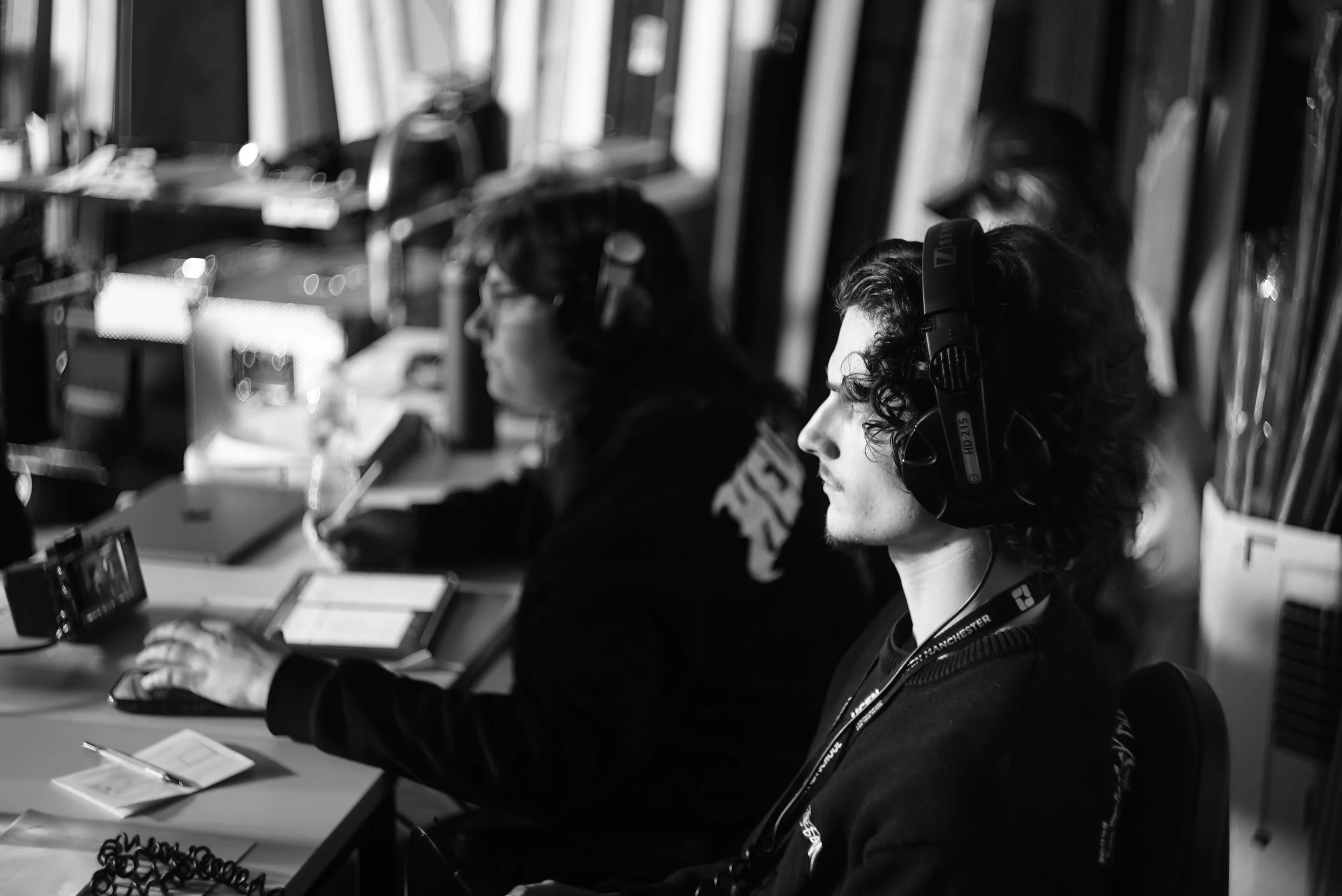
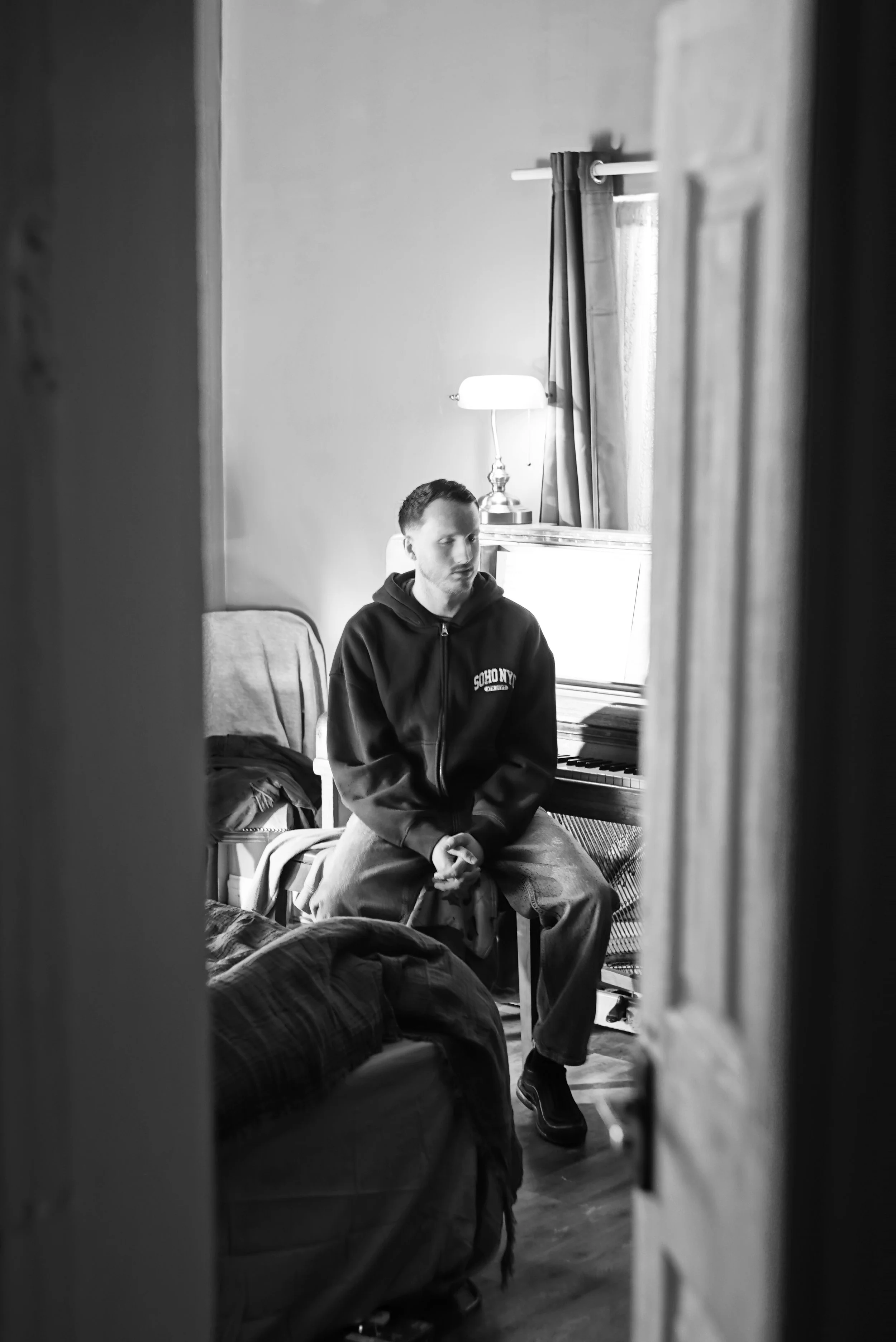
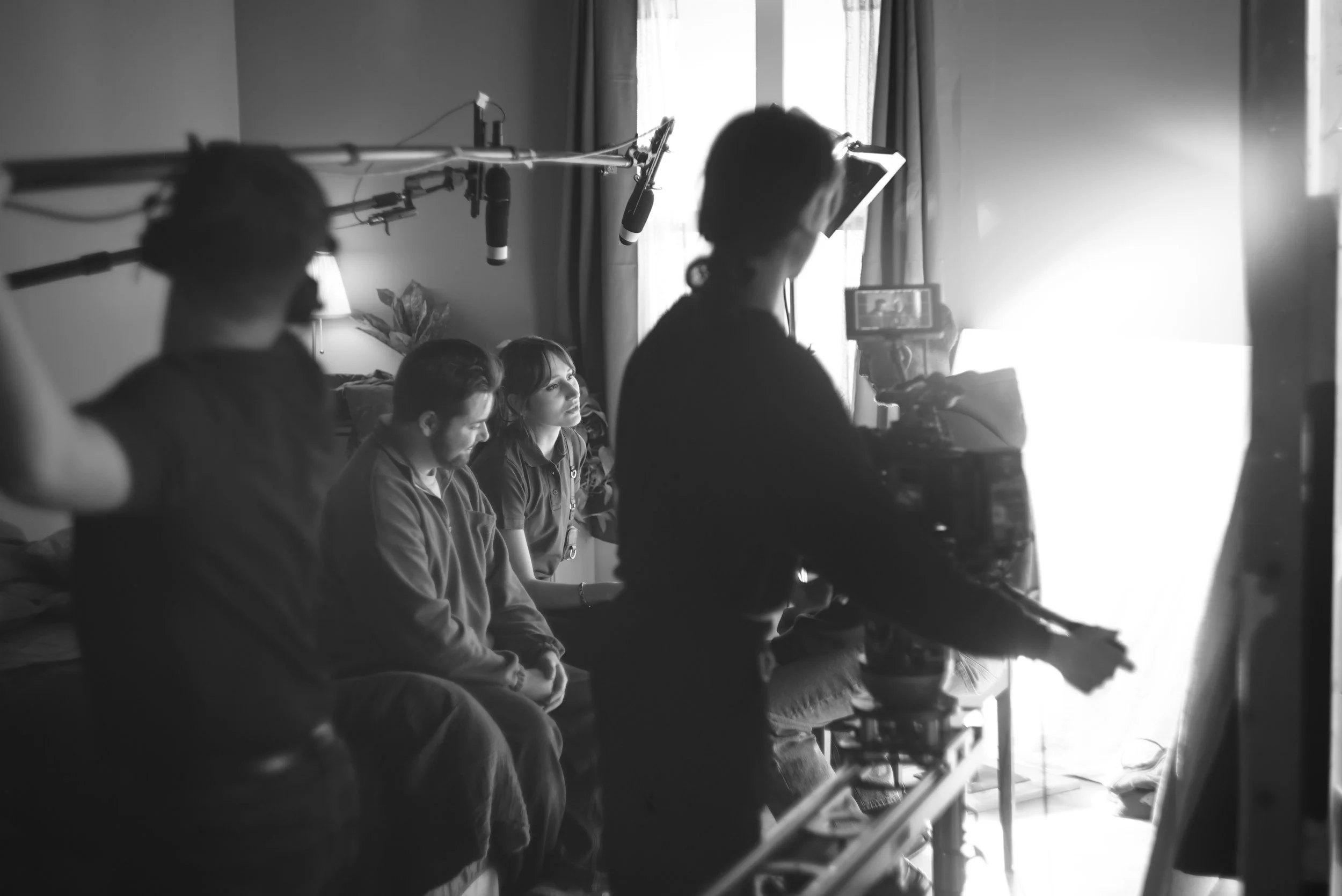
Behind the Scenes Photography – Development & Direction
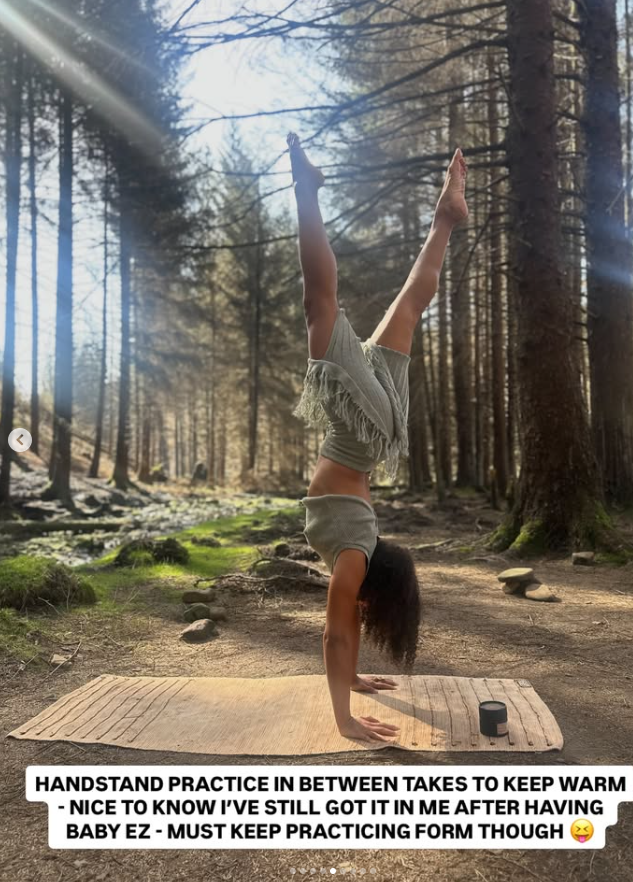
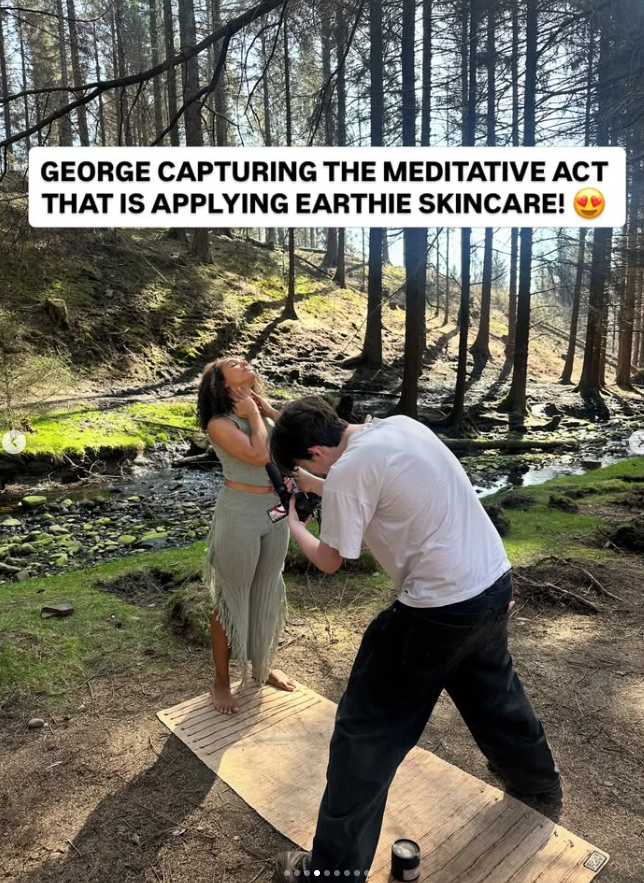
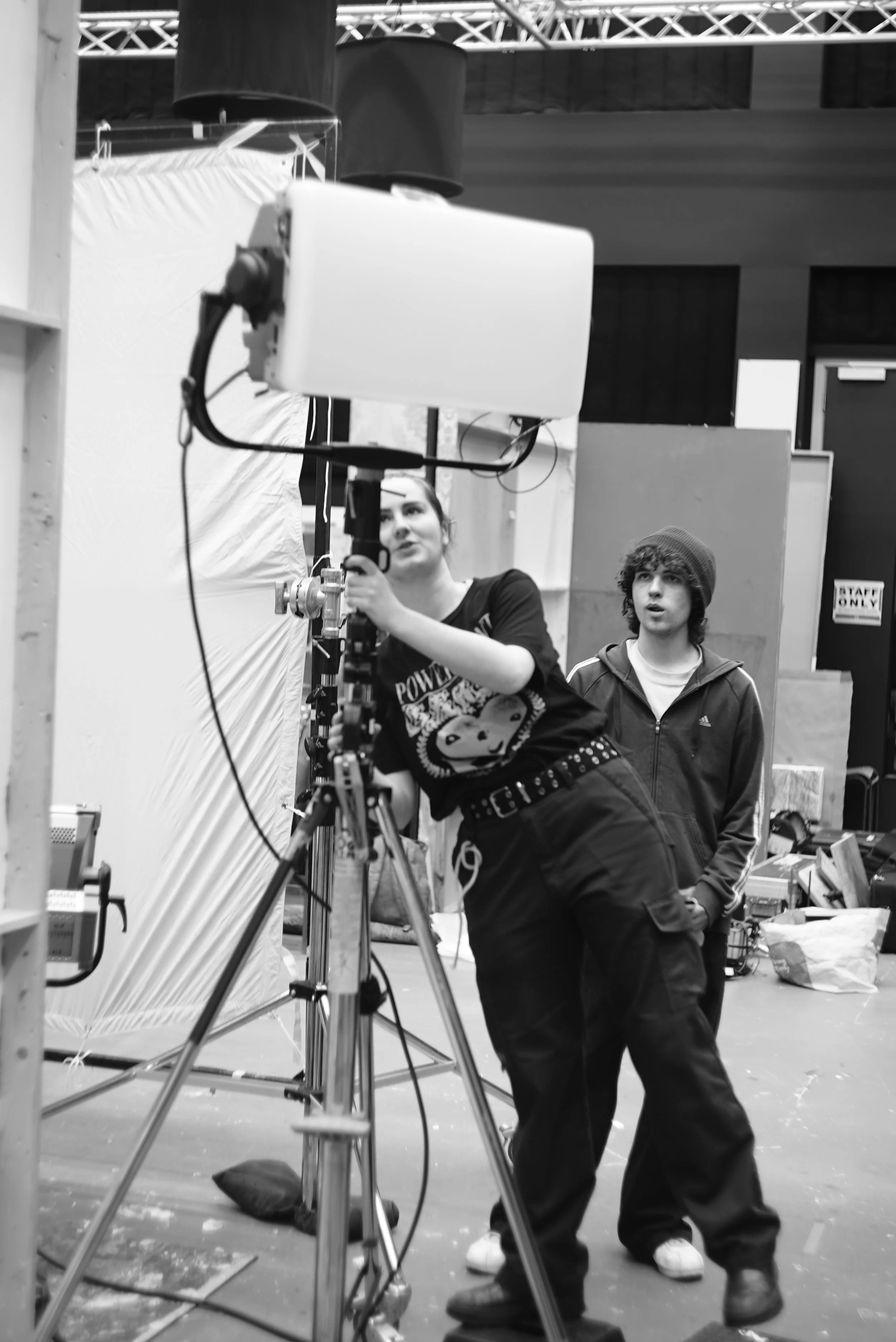
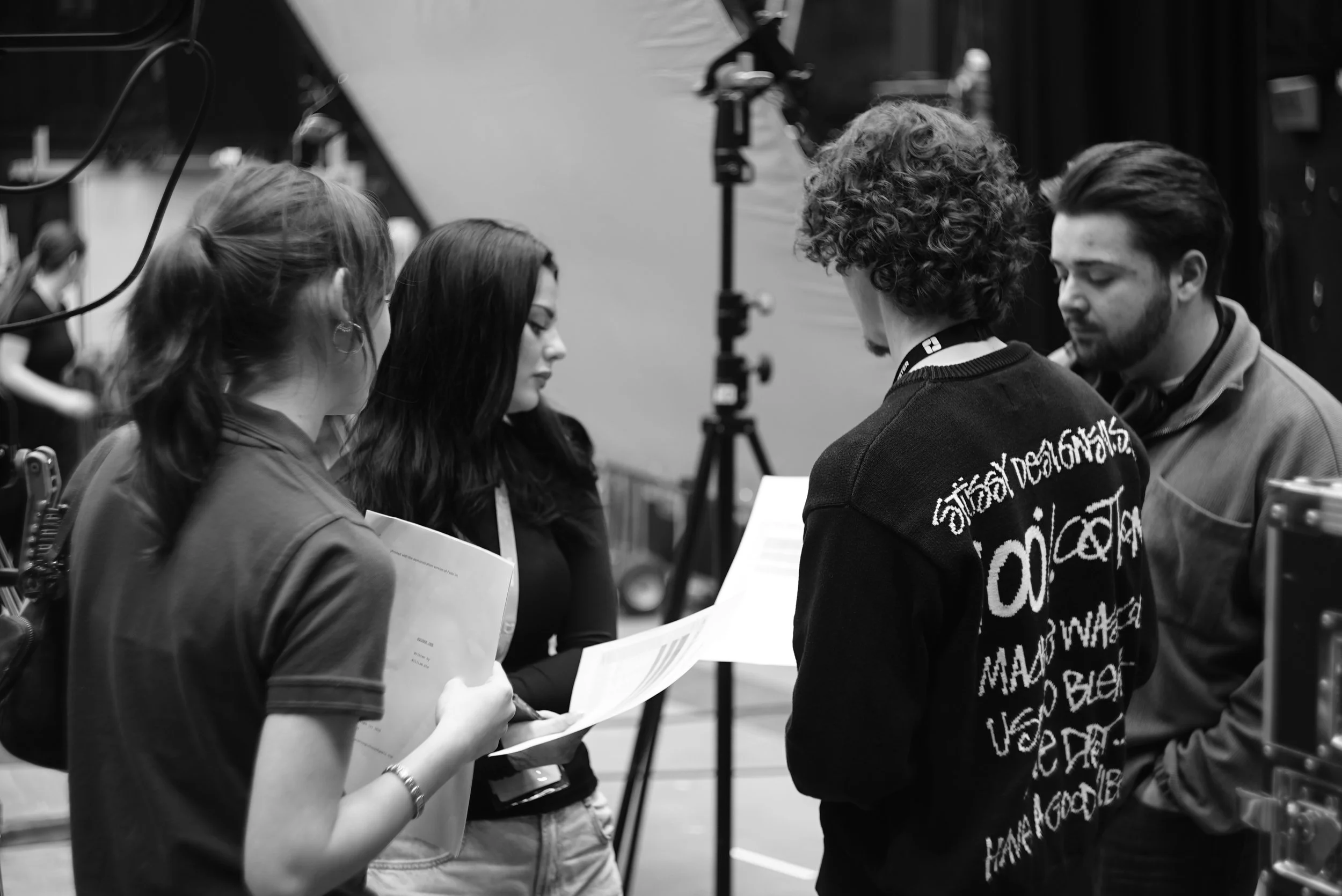
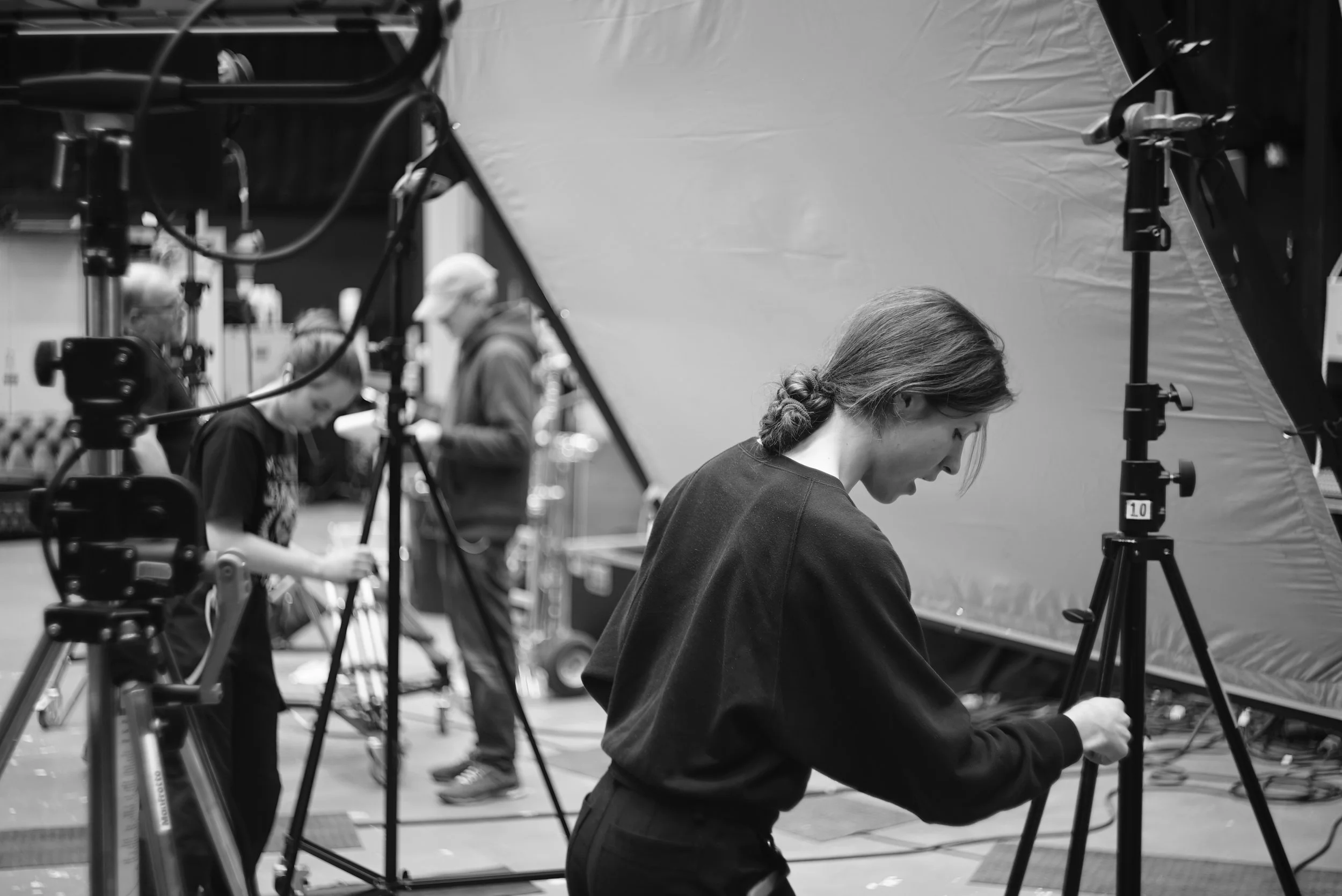
Alongside my video work, I began to place a stronger focus on behind-the-scenes (BTS) photography, which became a key area of development within this project. My approach was influenced by Atsushi Nishijima, particularly his work on Marty Supreme, where he captures subtle, in-between moments that reveal the atmosphere of a production without interrupting it. This shifted my understanding of BTS photography from simple documentation to a more intentional and creative practice.
In applying this approach, I focused on capturing specific elements of the production that contribute to the overall story of the shoot. This included natural interactions between cast and crew, moments of preparation, and small process-based details such as hands adjusting equipment or directing movement. I was particularly interested in photographing “in-between” moments — pauses, expressions, and gestures that are often overlooked but feel the most authentic.
The environment also played an important role in my work. Shooting in the Peak District allowed me to incorporate the landscape into my compositions, helping to situate the production within a real and tangible space. This added context to the images and strengthened their visual impact, moving them beyond simple documentation into something more considered and atmospheric.
Through this process, I became more aware of the differences between photography and filmmaking. While filming often requires structured sequences and continuity, photography allowed me to work more instinctively, focusing on timing and composition to capture a single moment. I found this approach more aligned with my creative interests, as it enabled me to move freely and respond naturally to what was happening around me.
As a result, I have developed a growing interest in pursuing set photography as a potential career path. This experience marked a shift in my practice, moving from primarily video-based work towards a stronger engagement with still imagery. It also reinforced my interest in capturing authentic, unfiltered moments, which has become a consistent theme across my portfolio.
Overall, this project demonstrates my ability to apply visual research, develop a clear creative approach, and adapt my role within a production environment. Moving forward, I aim to refine this practice further by developing a stronger balance between instinctive shooting and structured planning, ensuring greater consistency while maintaining authenticity.
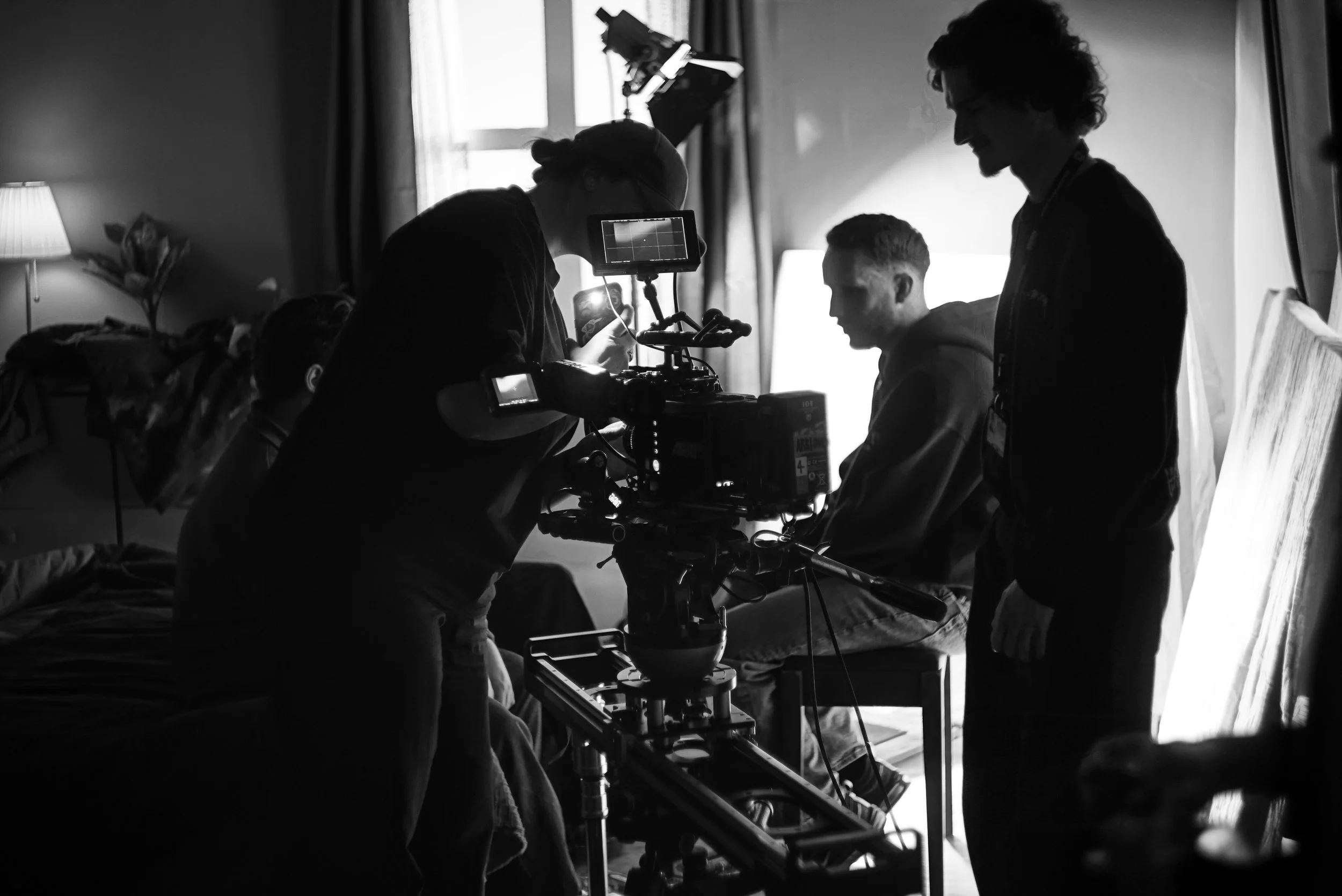
Approach to BTS Photography – What I Aimed to Capture
When shooting behind-the-scenes photography, my focus was on capturing the elements of production that are often unseen but essential to the final outcome. Rather than documenting everything, I was selective in what I chose to photograph, aiming to create images that felt both honest and visually engaging.
A key priority was capturing natural interactions between cast and crew. This included moments of communication, preparation, and collaboration, which reflect the working dynamics of a production environment. These images help communicate the human side of filmmaking, rather than just the final polished result.
I also focused on process-based details, such as hands adjusting equipment, lighting setups, and moments of concentration. These small details contribute to a deeper understanding of how the production operates and add visual variety to the overall set of images.
Another important aspect was capturing the environment and atmosphere of the shoot. In the Peak District, this meant incorporating the landscape into my compositions to show the scale and context of the production. This helps situate the viewer within the space and reinforces the identity of the campaign.
Finally, I aimed to capture in-between moments — pauses, expressions, and subtle gestures that are often overlooked. These moments are less controlled and more authentic, aligning with my overall interest in natural, documentary-style imagery.
Critical Comparison – Filming vs Photography
While both filming and photography aim to capture moments, they require different approaches and mindsets. Filming is often more structured and continuous, focusing on sequences, movement, and narrative progression over time. It typically involves more technical setup and planning to ensure consistency across shots.
In contrast, photography is more immediate and selective, relying on timing and instinct to capture a single, meaningful moment. It allows for greater flexibility on set, as I can move more freely without interrupting the production. I found that photography better suits my current approach, as it aligns with my interest in capturing natural, unfiltered moments with strong composition and emotion.
However, filming offers greater control over storytelling, while photography relies on the strength of individual images. Moving forward, I aim to combine both disciplines, using my understanding of motion and narrative from filmmaking to strengthen the impact of my still images.
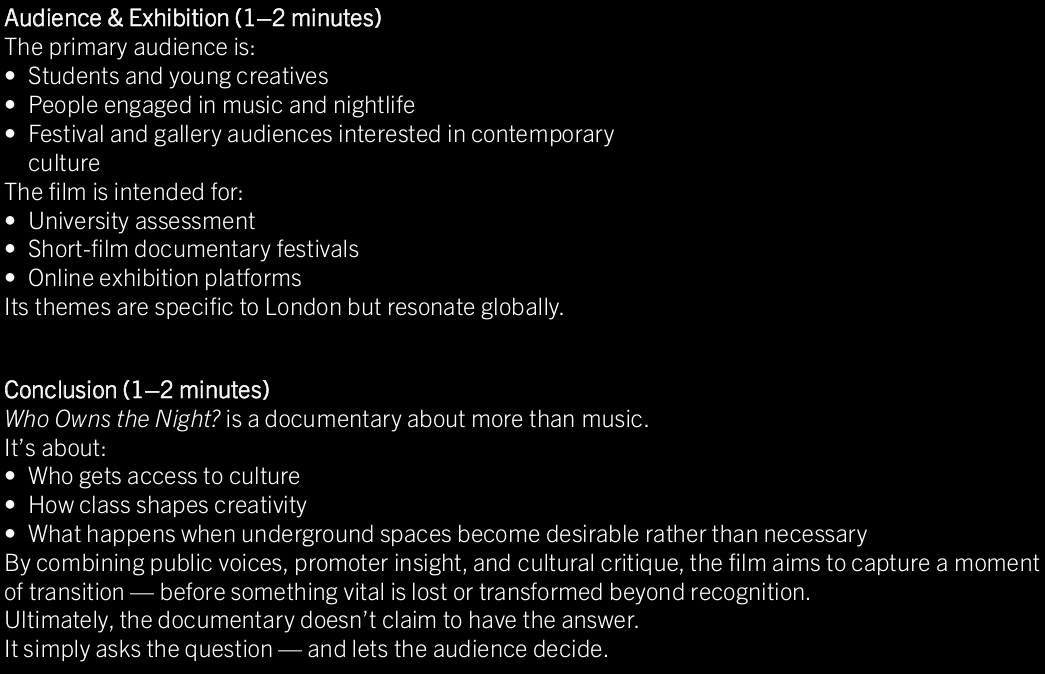
“Who owns the Night” Documenatry (2026)
Critical Reflection – Documentary Concept
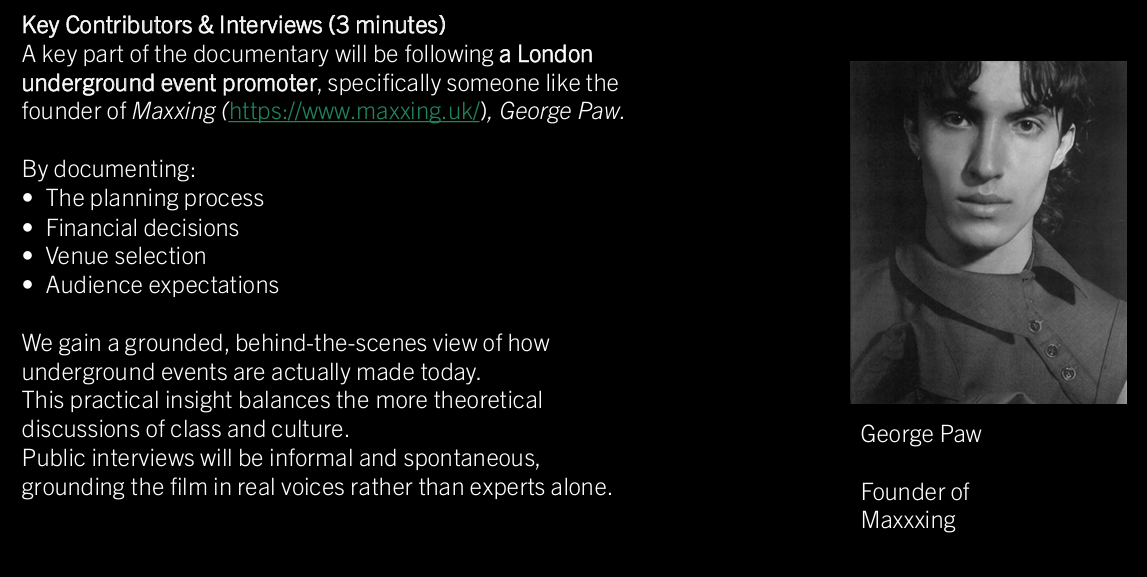
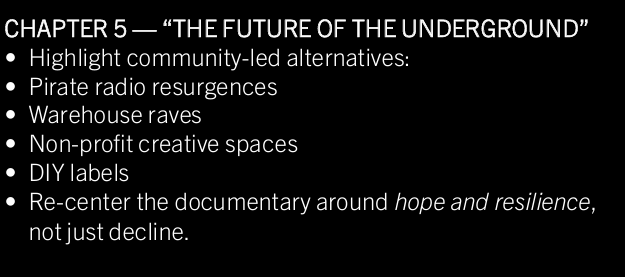
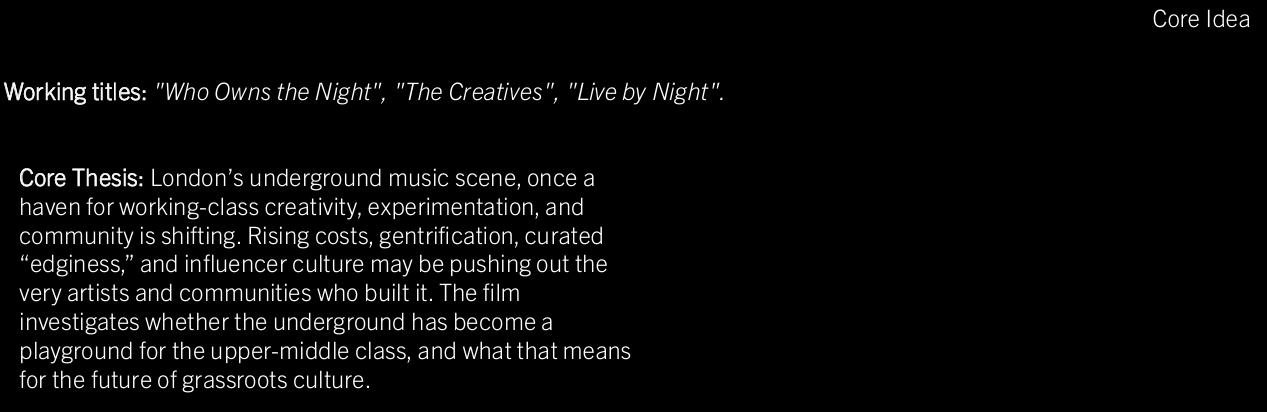
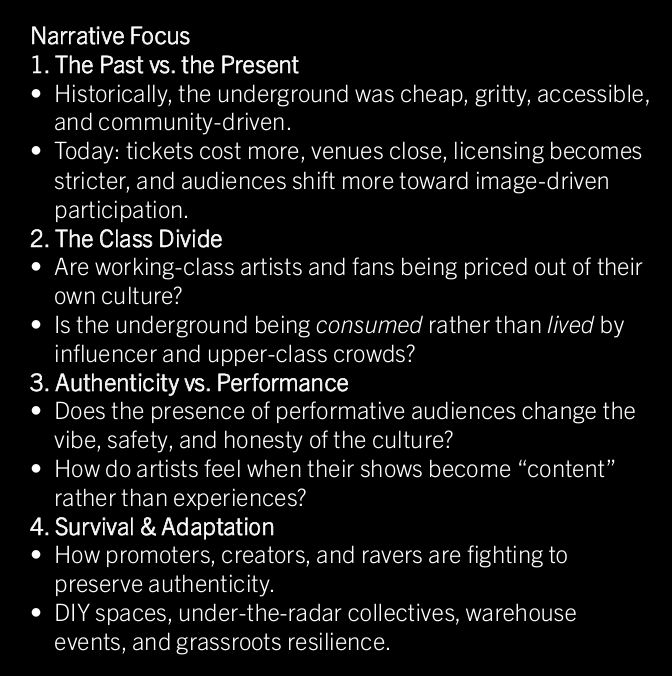
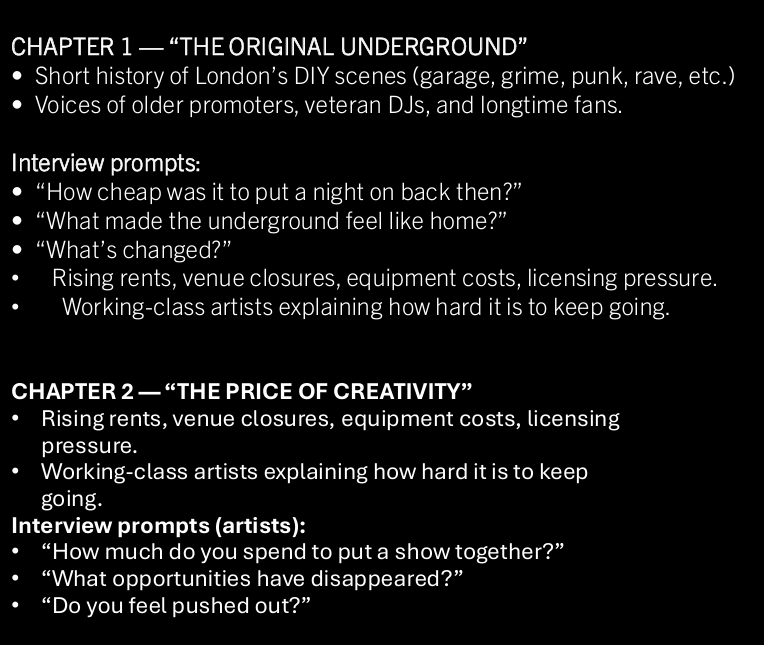
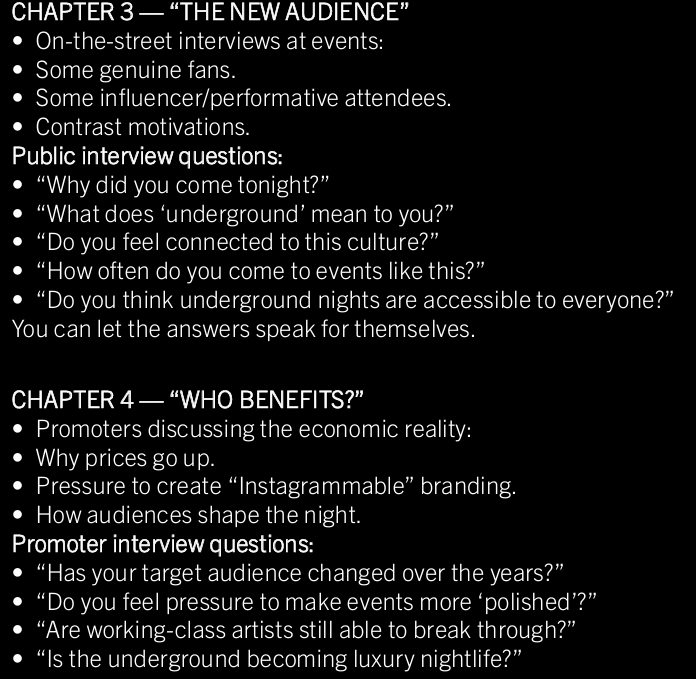
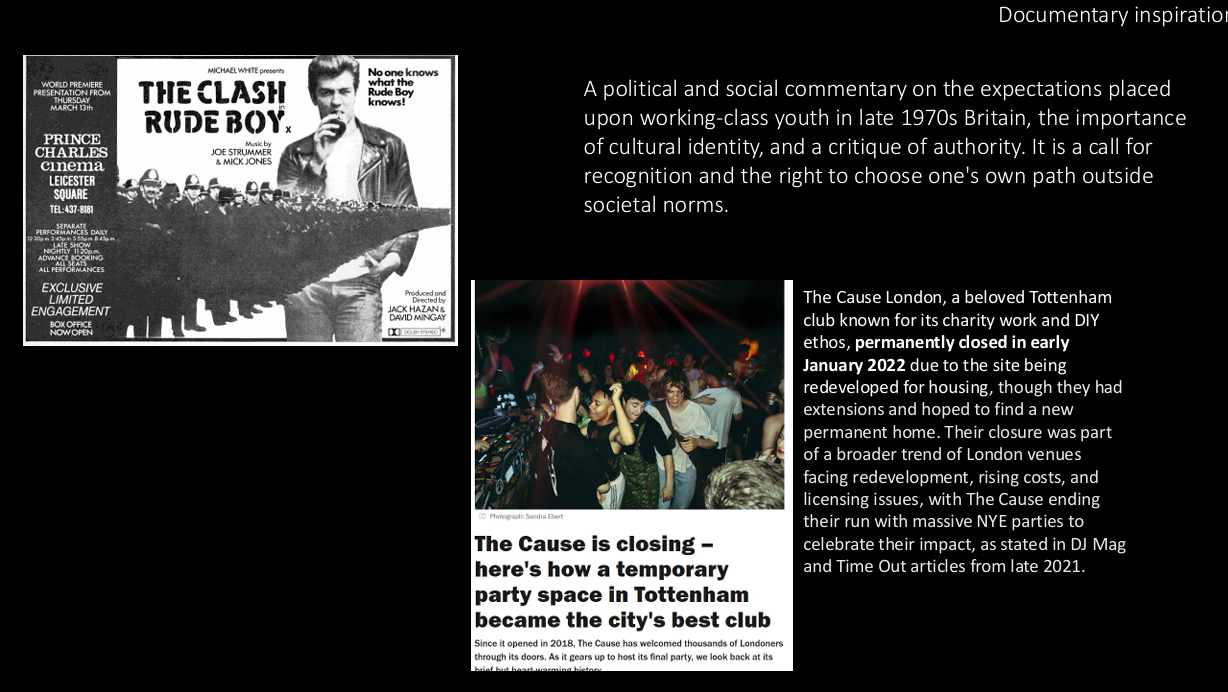
The initial concept for my documentary, as outlined in my presentation, focused on exploring London’s underground music scene and its shifting cultural landscape. The project aimed to investigate themes of authenticity, class, and the commodification of “underground” spaces, combining interviews, observational footage, and real-world documentation.
However, despite strong conceptual development, this idea did not come into fruition due to a range of practical and professional challenges encountered during early production attempts.
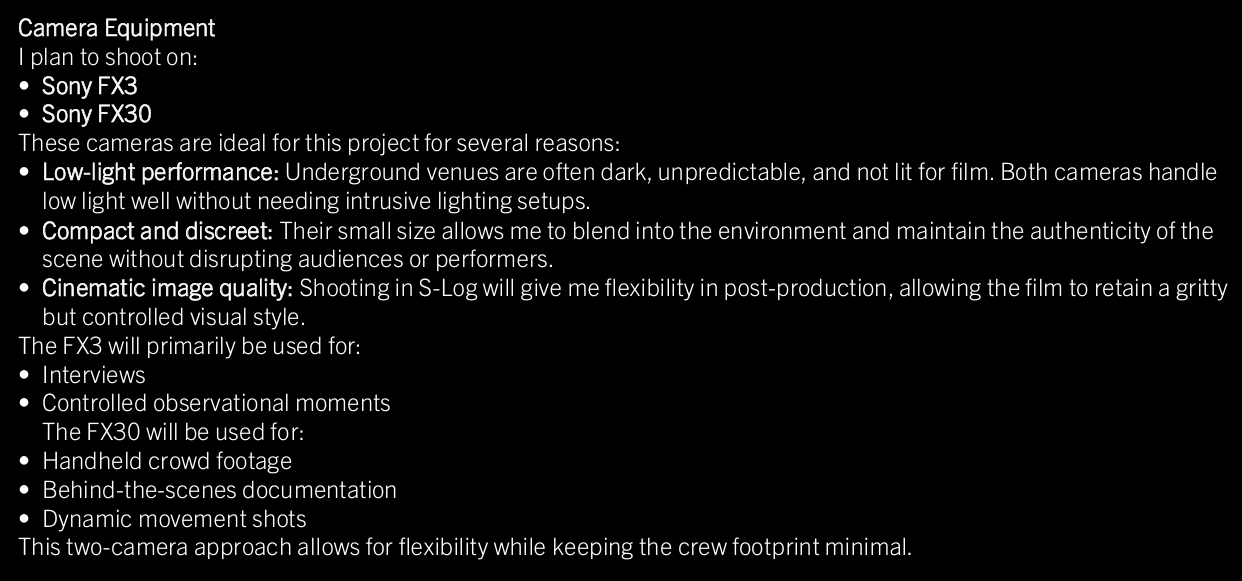
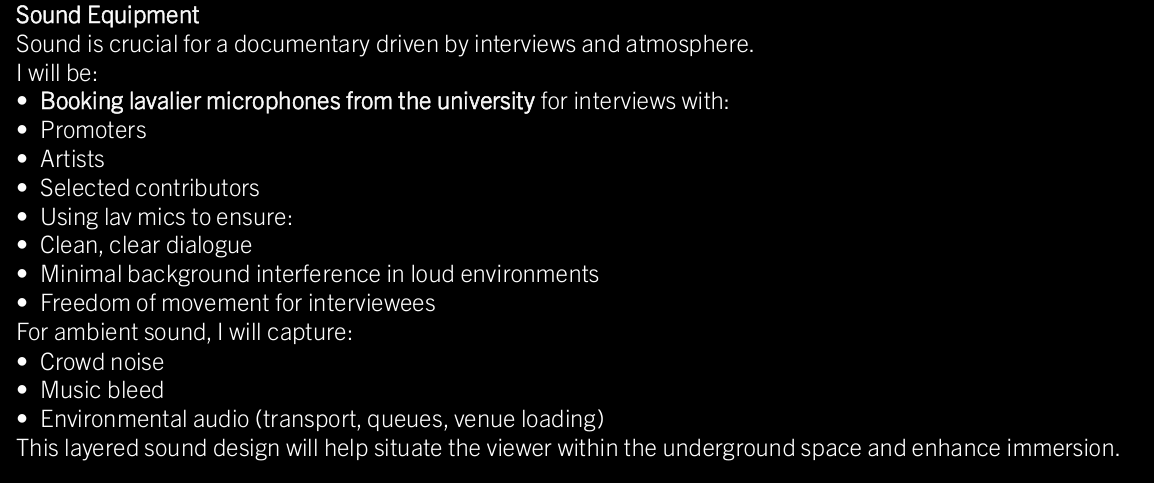
A key issue was access and feasibility. Filming within underground club environments proved significantly more difficult than anticipated. Gaining permission to bring cameras into venues was inconsistent, and in many cases restricted entirely. Even when access was possible, the environments were often extremely low-light, making it difficult to capture usable footage without more advanced or intrusive equipment than I had available at the time.
Additionally, the reliability of contributors became a major barrier. Planned interviews with promoters and artists frequently fell through, often due to last-minute cancellations or a lack of professionalism within nightlife environments. In many cases, individuals were intoxicated or not in a suitable state to participate meaningfully, which impacted both the quality and consistency of potential content.
There were also safety concerns when working in these environments. The unpredictability of crowded, late-night spaces created situations where both personal safety and equipment security were at risk. This raised important considerations around risk assessment and reinforced the need to prioritise safe and controlled working conditions.
Beyond these practical challenges, I also began to critically reflect on the concept itself. I recognised that similar explorations of underground culture have become increasingly common, particularly across social media and short-form documentary content. As a result, the idea began to feel oversaturated, and I questioned whether my project would offer a genuinely original perspective.
Taking these factors into account, I made the decision not to pursue the project further. While this could be seen as a limitation, it ultimately reflects an important stage in my development. It demonstrates my ability to critically evaluate both the feasibility and originality of a concept, rather than pursuing an idea that may not succeed in practice.
This experience informed my later work within the portfolio, where I shifted towards projects that were more accessible, controlled, and aligned with my developing creative direction. It reinforced the importance of balancing strong conceptual ideas with realistic production conditions, as well as the need to adapt creatively in response to challenges.
Main reason for the projects cancellation
A significant factor in my decision to discontinue the project was the growing realisation that the subject itself had become oversaturated within contemporary media, raising concerns around originality and the project’s potential to offer a distinct perspective. Nightlife and underground culture are now constantly documented across platforms such as Instagram and TikTok, where audiences, artists, and promoters all contribute to an ongoing stream of content. As a result, the act of documenting these spaces is no longer rare or revealing — it is already embedded within the culture itself.
This raised critical questions about the originality and purpose of my documentary. Rather than offering new insight, there was a risk that the project would simply replicate existing narratives and visuals that audiences are already familiar with. The widespread presence of smartphones in these environments also means that experiences are already being captured from multiple perspectives, reducing the need for a traditional observational documentary approach.
Additionally, the culture itself has become more self-aware and performative due to this constant documentation. This further complicates the idea of capturing something “authentic,” as participants may alter their behaviour in response to being filmed. As a result, the documentary risked reinforcing the very commodification it aimed to critique.
These reflections highlighted a gap between conceptual ambition and practical execution, but more importantly, they led me to question the relevance of the project within the current media landscape. Choosing to discontinue the idea demonstrates my ability to critically evaluate not only feasibility but also originality and contribution. This decision informed my shift towards more focused and intentional work within this portfolio.
Critical Reflection
Ultimately, this project highlighted the gap between conceptual ambition and practical execution. While the idea was theoretically strong, its reliance on unpredictable environments, limited access, and inconsistent contributors made it difficult to realise effectively. More importantly, it led me to question the originality of documenting underground culture in a space already saturated with content.
Rather than forcing the project forward, I made a conscious decision to redirect my focus towards work that was more achievable and aligned with my developing creative direction. This reflects a key stage in my progression, where I am not only generating ideas but critically evaluating their viability within real-world contexts.
Documentarty Treatment
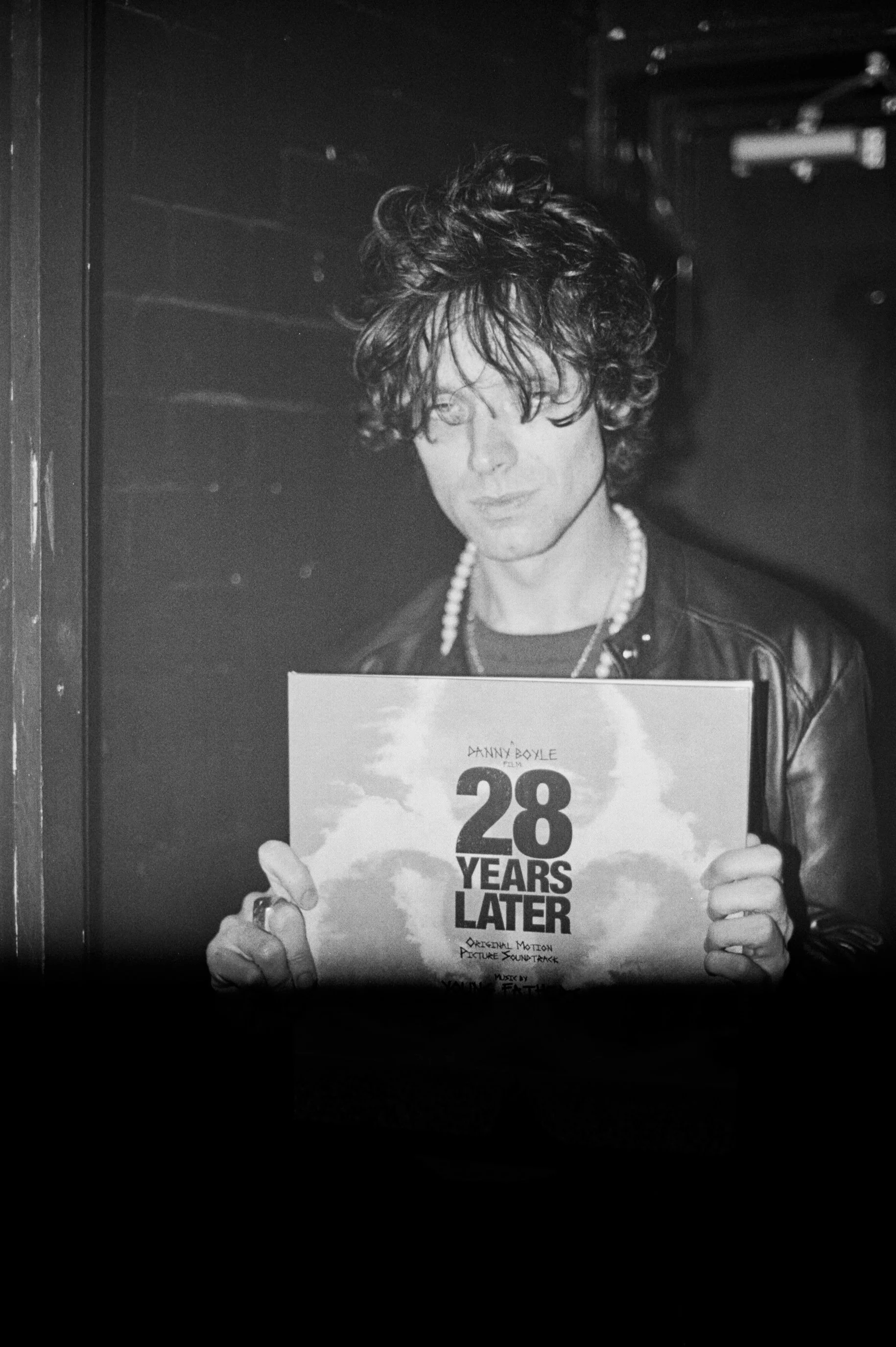
Portrait i took of music producer Chandler Ransom Lucy and failed interview
https://drive.google.com/drive/folders/1cZuLJTov6N8Fo2cn408IN0kNlS0YQcCo?usp=sharing
Influence on Subsequent Work
Although the documentary was not realised, it had a clear influence on my later projects within this portfolio. The core themes I was exploring — authenticity, culture, and representation — continued to inform my creative approach, but in a more focused and achievable way. This is particularly evident in my collaboration with Hair Studio by Anissa, where I shifted from attempting to document a broad, complex scene to working closely with a specific brand and cultural context.
Rather than observing nightlife culture from a distance, I engaged more directly with the representation of natural Black hair, capturing it in a way that felt intentional and respectful. This allowed me to explore similar ideas around identity and authenticity, but within a more controlled environment where I could produce higher-quality and more considered work. In this sense, the documentary concept was not abandoned entirely, but refined into a more practical form of storytelling.
The experience also made me more aware of the importance of access, trust, and collaboration when documenting culture. Instead of trying to capture unpredictable environments, I worked within a space where there was mutual understanding between myself and the subject, resulting in more meaningful and visually coherent outcomes. This demonstrates a progression in my practice, where I have learned to apply conceptual ideas in ways that are both realistic and effective.
Conclusion
Overall, this portfolio demonstrates not only the development of my practical skills, but also my growing ability to critically evaluate my work within the context of contemporary media and professional practice. Across a range of projects, I have moved from instinctive, documentary-style creation towards a more considered and professional approach that balances creativity with structure, audience, and platform awareness.
A key area of development has been my understanding of how work operates within industry contexts. Through client-based projects such as my collaboration with Hair Studio by Anissa, as well as assisting on the Eartie Organics campaign, I have developed skills in communication, adaptability, and working within a team. These experiences required me to align my creative approach with external expectations, demonstrating an awareness of professional workflows and the importance of reliability and clarity when working with others.
At the same time, critical reflection on unrealised work, particularly “The Creatives” documentary, has strengthened my ability to assess the feasibility and originality of my ideas. Recognising limitations in access, safety, and oversaturation allowed me to make informed decisions about the direction of my practice, rather than pursuing concepts that were not viable within real-world conditions.
This portfolio also reflects a clear shift in my creative interests. While my work initially centred around videography, I have developed a growing focus on behind-the-scenes photography, with an emphasis on capturing natural, in-between moments. This has led to an emerging interest in set photography as a potential professional direction.
Moving forward, I aim to build on this foundation by refining my pre-production process, strengthening consistency across projects, and continuing to develop work that is both authentic and contextually aware. This progression demonstrates my readiness to engage with the creative industries in a more focused and professional capacity.