Reflection on Major Project , ‘26 - BY WESLEY WISDOM
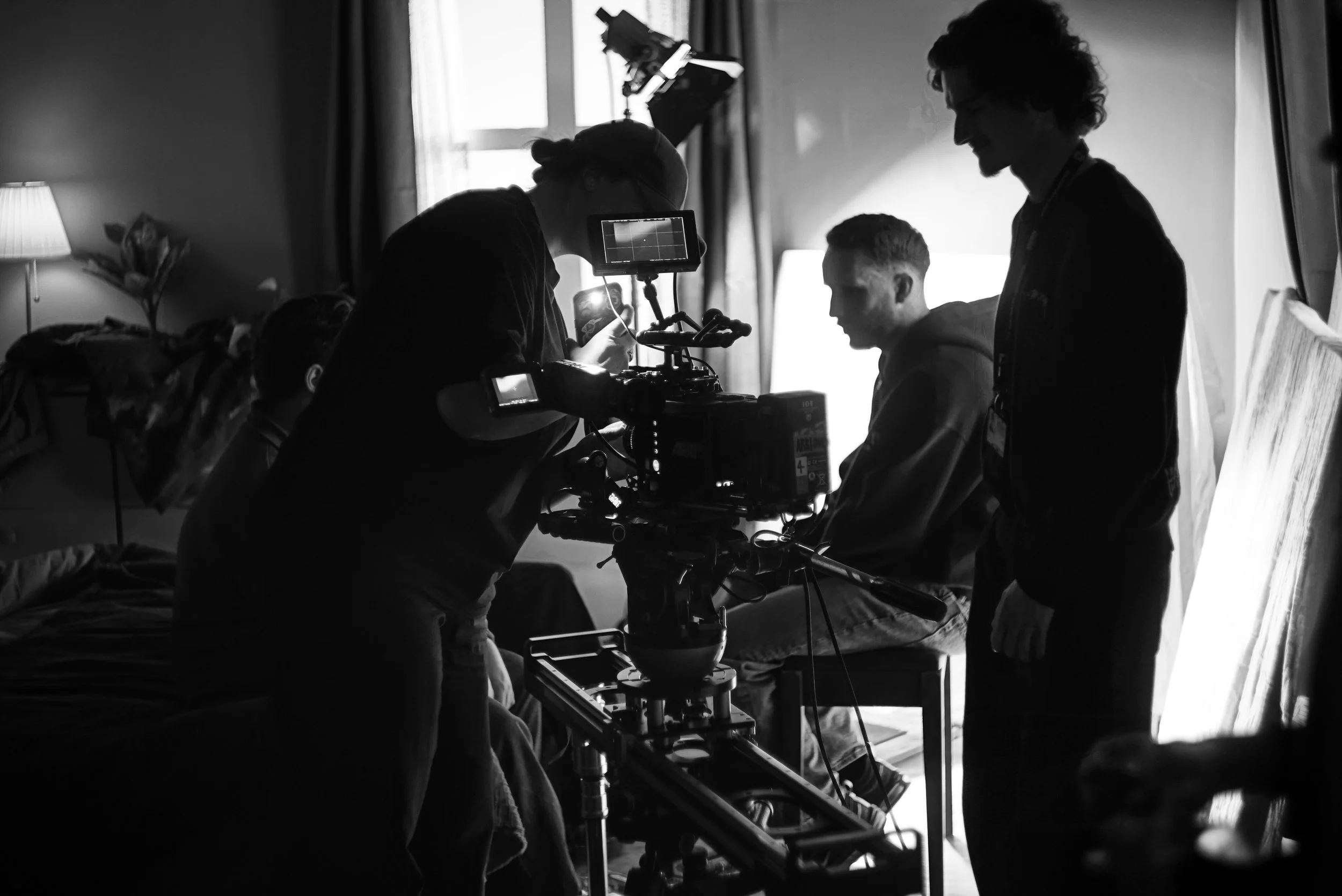
This reflection evaluates my development throughout the Major Project, focusing on my practical work and the processes that informed it. Across the module, I explored themes of authenticity, culture, and documentation through a range of projects, including documentary concepts, client-based work, and behind-the-scenes photography.
This reflection will critically assess the methods of research, planning, and production that I applied, alongside the decisions I made in response to challenges and changing circumstances. It will also consider feedback received from tutors, peers, and collaborators, and how this influenced the direction of my work.
In addition, this reflection will evaluate my personal and professional development, including technical skills, communication, and my ability to operate within real-world creative contexts. Finally, it will position my current skillset in relation to industry expectations and outline the steps I intend to take following graduation.
Across the portfolio, a consistent theme is an exploration of authenticity, culture, and the documentation of real moments. While this focus remained central throughout, there is a clear progression from observational work towards more intentional and client aware production. This shift reflects not only technical development, but a growing understanding of how creative work functions within professional and commercial environments. It also demonstrates an increasing ability to evaluate my own methods, adapt to challenges, and make decisions that balance creative ambition with practical constraints.
The initial concept for my Major Project involved creating a documentary that examined London’s underground music scene, focusing on authenticity, class, and cultural commodification. This concept developed through both observational and practice-based research, informed by my experiences within nightlife environments as a photographer and by analyzing representations of these spaces on platforms such as Instagram and TikTok. Through this research, I observed that contemporary portrayals of nightlife are significantly influenced by algorithm-driven systems, which prioritize content designed for maximum engagement through visual impact and immediacy. This observation revealed a central tension in my project: my intention to produce authentic work contrasted with a media landscape that often values performance and aesthetic appeal over authenticity.
Although my project was grounded in a strong conceptual foundation, my initial approach lacked structured pre-production. I depended primarily on instinct and informal planning, which restricted my ability to consistently translate ideas into tangible outcomes. This limitation became especially apparent during the transition from research to production, as the lack of clear planning hindered my management of logistics, access, and technical requirements. This experience underscored a significant limitation in my practice, particularly regarding organization and foresight.
As a result, I began to adopt more structured methods of development. This included the use of visual planning tools such as Milanote to organize references, map ideas, and establish a clearer creative direction, allowing me to present structured mood boards and communicate concepts more professionally. This process was particularly important in bridging the gap between idea generation and execution, as it enabled me to visualize outcomes before production began. By developing these planning methods, I was able to approach projects with greater clarity and intention, which marked a significant shift towards professional working practices.
My production methods also evolved during this process. Initially, my work was reactive, relying on spontaneous filming within uncontrolled environments. While this approach allowed me to capture authentic moments, it often lacked consistency and clarity. As I progressed, I began to apply more intentional techniques, considering composition, lighting, and narrative purposes. This demonstrated a shift towards more controlled and deliberate production, particularly when working within client-based contexts. It also reflected an increasing awareness of how visual work communicates meaning and how it must be adapted depending on audience and platform.
A key turning point within the project was the decision to discontinue my original documentary concept. Although the idea was conceptually strong, early attempts at production revealed significant challenges that affected both feasibility and quality. Access to underground venues proved to be a major limitation, as many spaces restricted the use of cameras. This created a conflict between authenticity and practicality, where the environments I wanted to capture were the most difficult to document. Attempting to film in these spaces risked disrupting their natural atmosphere, undermining the authenticity that the project aimed to explore.
Technical limitations further complicated the process. Shooting in low light conditions made it difficult to achieve high quality footage without more advanced equipment. This highlighted a disconnect between my creative ambitions and the resources available to me, reinforcing the importance of aligning ideas with practical capabilities. In addition, the reliability of contributors posed a significant issue. Planned interviews with promoters and artists frequently fell through, often due to last minute cancellations or individuals being intoxicated. This not only disrupted the production process but also raised ethical concerns around consent and representation.
More significantly, I began to critically evaluate the originality of the concept itself. Nightlife culture is now extensively documented through user-generated content, where individuals continuously capture and share their own experiences. As a result, the act of documenting these spaces is no longer unique, but embedded within the culture itself. This creates a saturated media landscape, where traditional documentary approaches struggle to offer new perspectives. Furthermore, the constant presence of cameras has made these environments increasingly performative, with behavior often shaped by the awareness of being recorded. This challenges the possibility of capturing genuinely authentic moments and raises questions about whether such a documentary could meaningfully contribute to existing discourse.
These reflections highlighted a clear gap between conceptual ambition and practical execution. Rather than continuing with a project that lacked both feasibility and originality, I made the decision to discontinue it. This decision was a significant moment in my development, demonstrating an ability to critically evaluate my own work and make informed choices based on both creative and practical considerations. It also marked a shift towards a more strategic approach to project development.
Building on this, my collaboration with Hair Studio by Anissa in Paris marked a crucial progression in my practice, representing a move from self-initiated exploration into client-based production. Unlike the documentary project, this work required a high level of preparation and planning before production began. After initially discovering the brand through Instagram and engaging with their visual identity, I reached out directly, presenting my portfolio and proposing a collaborative shoot. This initial contact required confidence and professionalism, as I positioned myself not just as a creative, but as someone capable of delivering work aligned with a brand.
Pre-production played a central role in this project. Once again using Milanote, I developed a detailed visual plan that included mood boards, references, and potential shot ideas, which I then translated into a structured PDF presentation for the client. This allowed me to clearly communicate my creative direction and ensured that expectations were aligned before travelling to Paris. The planning process also included developing ideas for both photography and video content, particularly focusing on street-based visuals that would situate the brand within a real and culturally relevant environment. This level of preparation marked a significant development from my earlier work, demonstrating an understanding of professional workflows and the importance of clear communication in client relationships.
Travelling to Paris for the shoot further reinforced the professional nature of the project. It required organization, time management, and the ability to operate within an unfamiliar environment. Working on location introduced new challenges, including adapting to different lighting conditions, managing time effectively, and maintaining a clear creative direction while responding to real world variables. This experience pushed me beyond my comfort zone and required a higher level of responsibility compared to my previous work.
The development of my work also reflects a growing awareness of how contemporary media production is shaped by platform specific demands. Content is no longer created in isolation, but is instead designed with distribution, audience behavior, and algorithmic visibility in mind. This has direct implications on both the form and function of visual work, where pacing, framing, and duration are often influenced by how content performs within digital environments. For example, short form video content requires immediate engagement, while still imagery must communicate effectively within a single frame, often without additional context. This creates a tension between creative intention and platform optimization, where decisions are not purely aesthetic but also strategic.
Within this context, the role of the practitioner extends beyond image making into an understanding of audience interaction and content circulation. Producing work that exists within these systems requires an awareness of how visual language operates across different platforms, and how content can be adapted without losing its core identity. This became particularly relevant in my client based work, where outputs needed to function not only as creative pieces, but also as promotional assets that align with brand identity and digital strategy. As a result, I began to approach production with a greater consideration of how work would be received, shared, and engaged with, rather than focusing solely on the act of creation itself.
Feedback from Anissa highlighted both the strengths and areas for improvement within my work. She noted that “you captured the natural beauty and personality of the hair in a way that felt honest and aligned with the brand,” which reinforced my strength in capturing authentic and culturally relevant imagery. However, she also stated that “for brand use, we need more consistency in framing and shots that can be easily used across platforms,” which emphasized the importance of producing content that is not only creative but also functional within a commercial context. This feedback was particularly valuable, as it directly informed how I approach client work moving forward.
Similarly, my involvement in the Earthie Organics campaign further developed my understanding of collaborative production. Working within a team environment, I contributed through behind the scenes photography, additional coverage, and practical support. This required a high level of adaptability, as I moved between roles depending on the needs of the production. Feedback from collaborators highlighted my reliability and work ethic, with one noting that “you were always willing to step in and help wherever needed, which made a big difference on set.” While this reflected positively on my approach, it also reinforced the importance of clearly defining my role to ensure that my contribution aligns with my developing specialism.
Peer feedback also played an important role in shaping my development. Classmates recognized the strength of my ability to capture authentic and immediate moments but also identified inconsistencies in execution. One peer by the name of George Jamieson, commented that “your work feels real and immediate, but sometimes it lacks a clear direction or consistency across a full project.” This encouraged me to refine my visual approach, focusing on cohesion, and ensuring that my work operates effectively as a complete body rather than isolated pieces.
Informal feedback from family members provided an additional perspective. My Auntie (once a professional photographer), noted that “your work feels very real and personal, but you need to think about how this turns into something sustainable long term.” This prompted me to consider how my creative practice translates into a professional career, particularly in relation to financial sustainability and long-term progression.
The collaborative process across these projects required strong communication and adaptability. Working with clients and teams involved negotiating creative ideas, responding to changing conditions, and maintaining reliability under pressure. These experiences developed key soft skills, including communication, problem solving, and the ability to work effectively within different roles. Balancing these projects alongside academic work also required improved time management and organization, highlighting the importance of maintaining a sustainable work life balance.
In terms of upskilling, I have developed both technical and professional competencies. My technical abilities have improved through working in varied environments, particularly in low light conditions and on location shoots. I have also gained experience using different camera systems and adapting to unpredictable situations. Alongside this, I have strengthened professional skills such as organization, client communication, and the ability to present ideas clearly through structured planning.
Throughout these experiences, I also began to recognize a shift in my creative focus. While my work initially centered on videography, I found myself increasingly drawn to photography, particularly within behind the scenes contexts. This reflects a growing interest in capturing natural and in between moments that reveal the atmosphere and human interactions within a production.
At present, my skillset sits at an emerging professional level. I have developed a strong ability to capture authentic moments and adapt to different creative environments, which aligns with entry level expectations within photography and media production roles. However, I still lack consistency in pre-production and a fully developed professional framework, particularly in securing paid work and establishing clear boundaries within collaborations.
Moving forward, my next steps after graduation will focus on building a more sustainable and professional practice. This includes developing a stronger portfolio centred around behind the scenes photography, actively seeking paid opportunities, and expanding my professional network. I also aim to refine my pre-production process and continue developing both technical and conceptual aspects of my work.
Overall, this portfolio demonstrates not only the development of my practical skills, but also my growing ability to critically evaluate my work within the context of contemporary media and professional practice.
“Hair studio by Anissa” - Paris Collaboration (2026) - https://drive.google.com/drive/folders/1dHQY7muOlOISKeM9uv0-SIDmSYCb31aV?usp=sharing
“EARTHIE ORGANICS CAMPAIGN - COLLABORATION WITH F8 PRODUCTIONS” (2026) - https://www.instagram.com/p/DXUnIk5iDxs/ - https://drive.google.com/drive/folders/1398sERDlft61WJwgBRmC7zE3ab_yt3TH?usp=sharing
Synthesis Portfolio - https://wesleywisdom.com/ww-synthesis-portfolio
LINK BOX