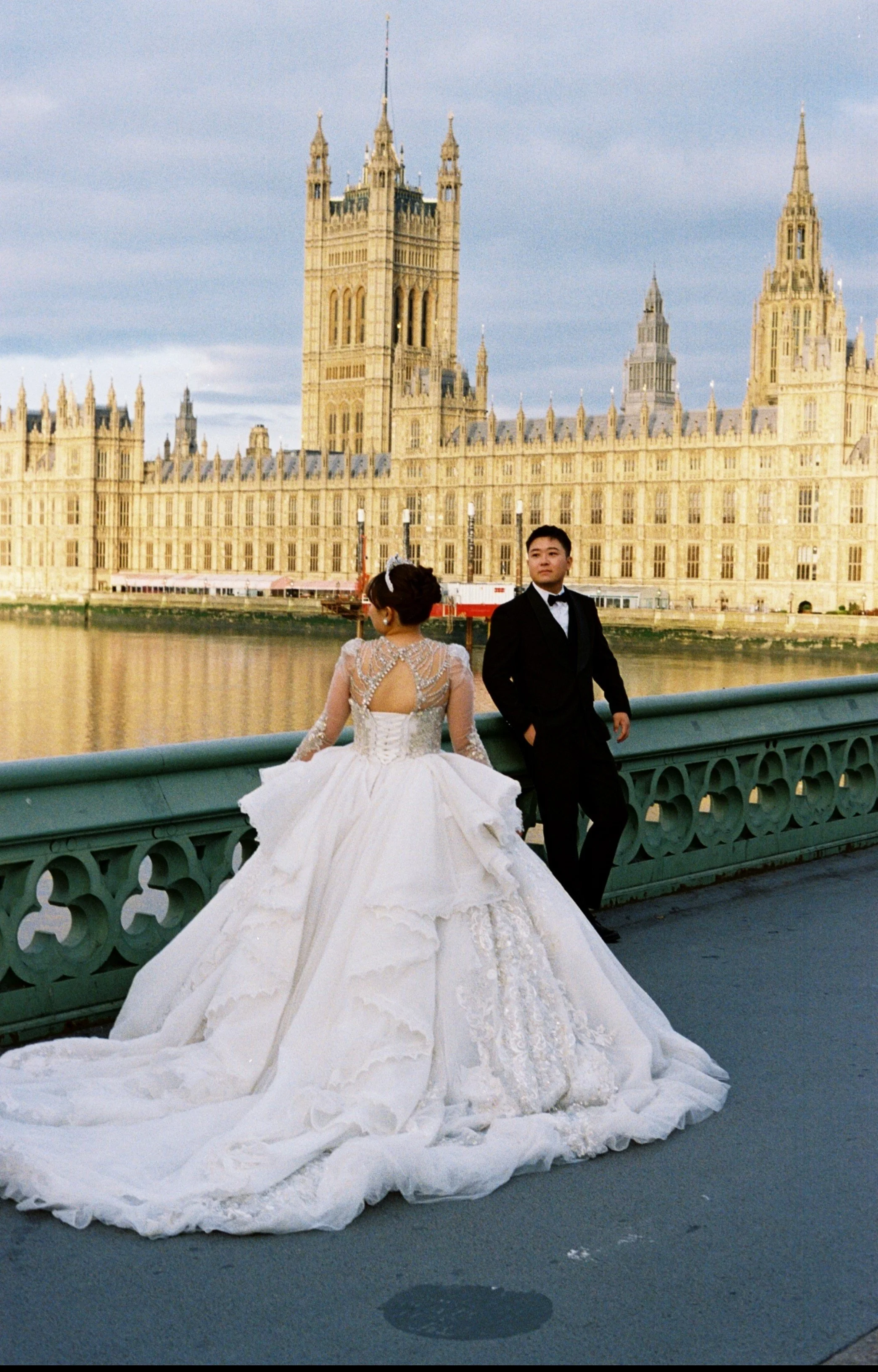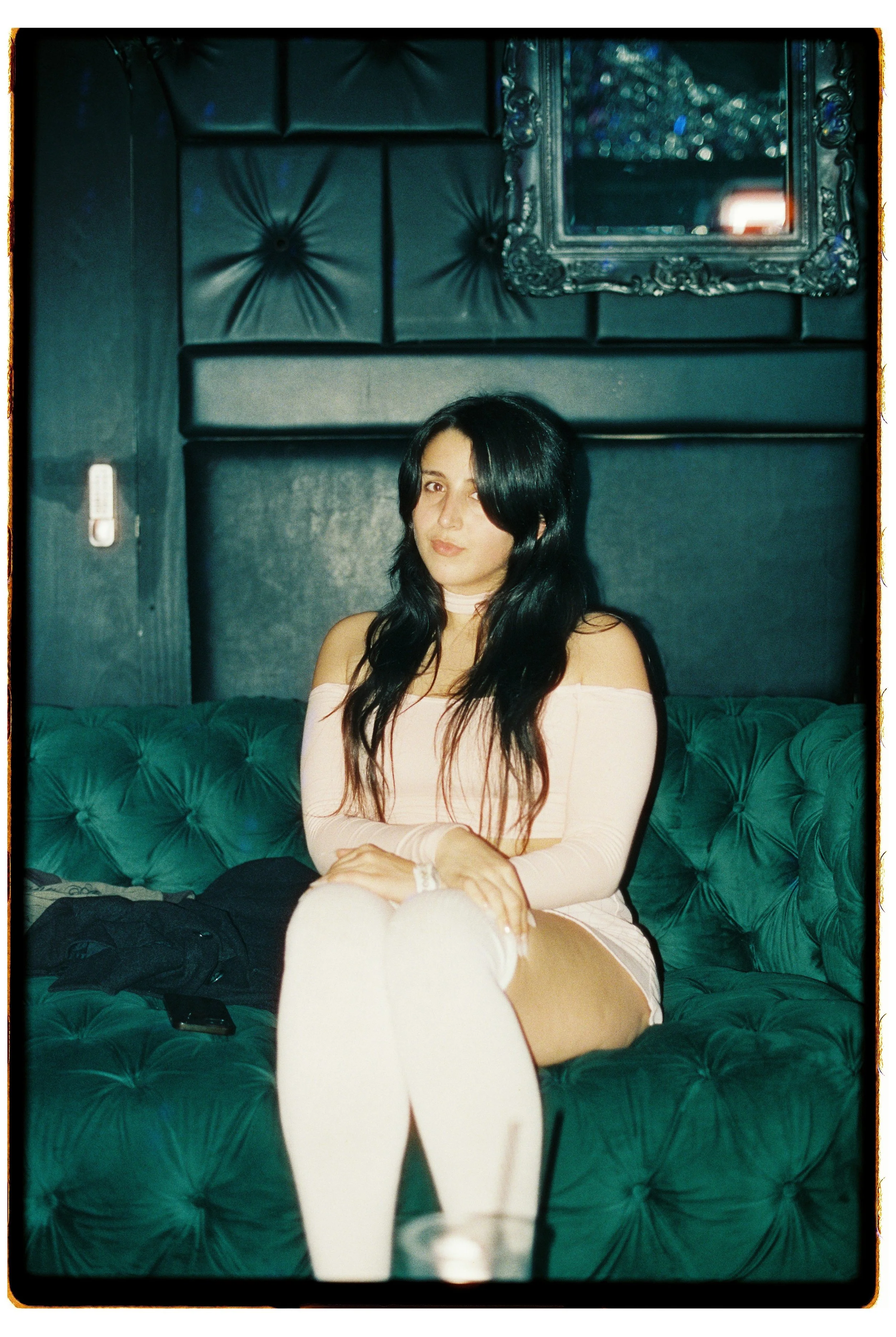
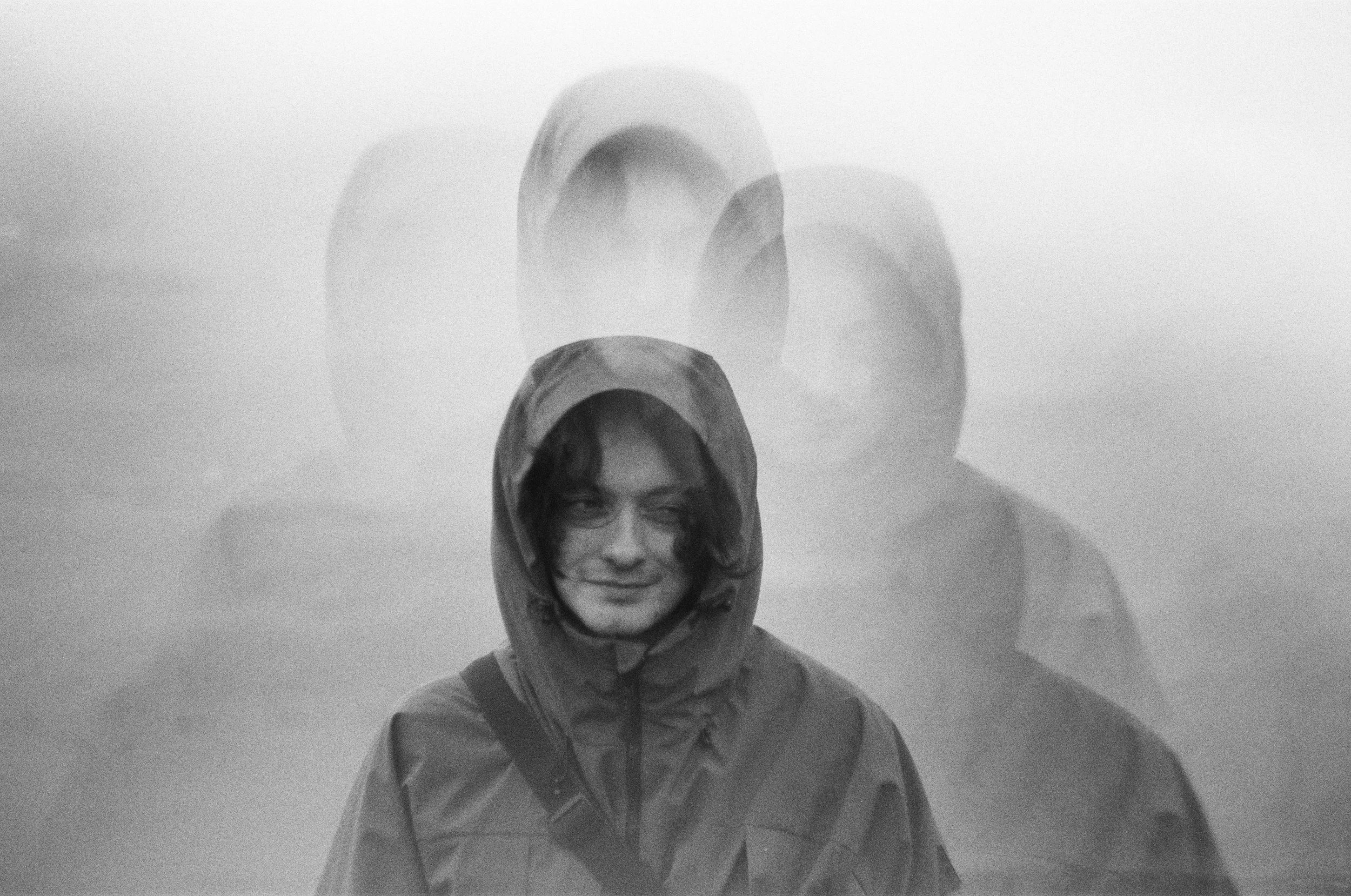
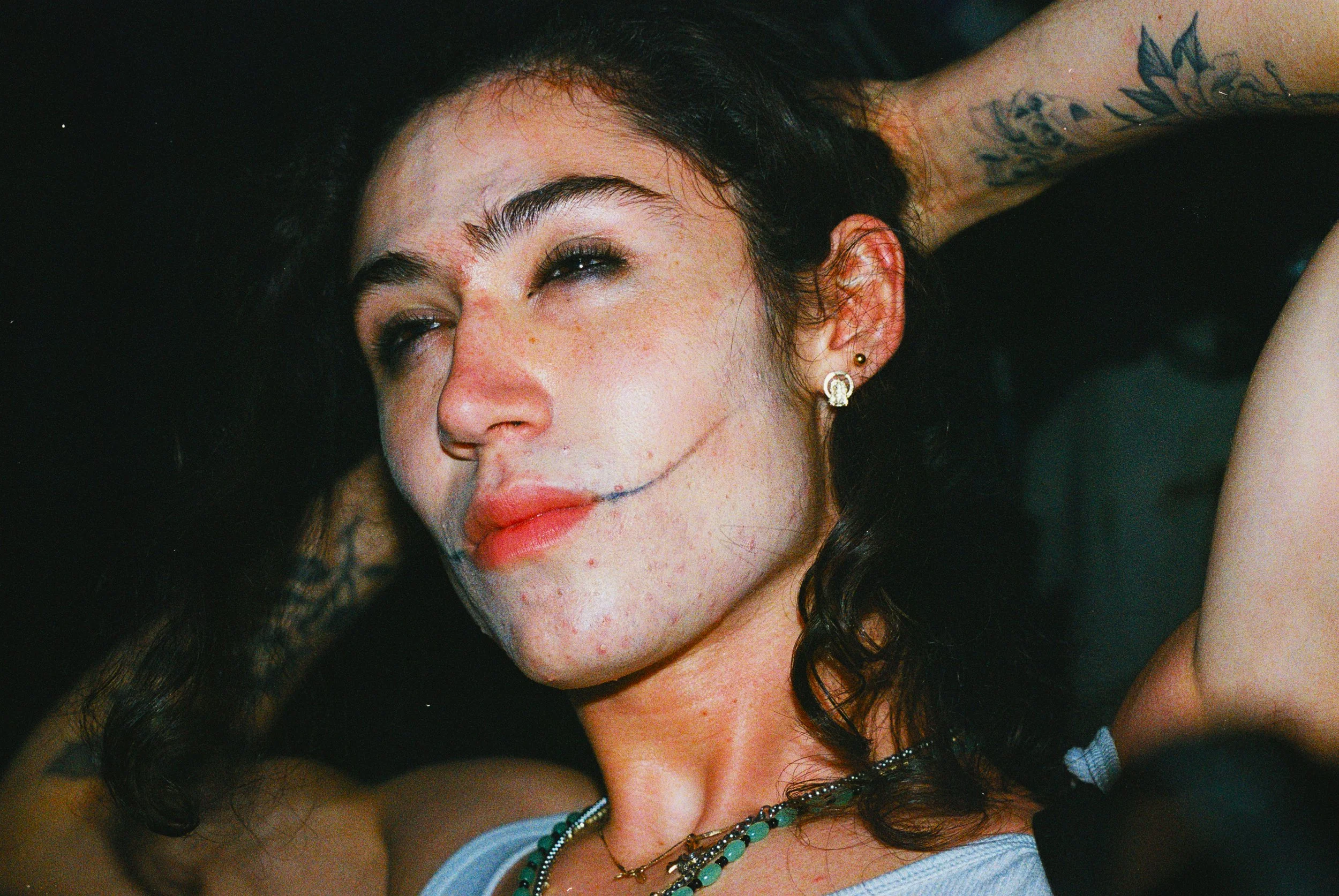
Maria Manow
London, United Kingdom
Nov, ‘25
Portra 800
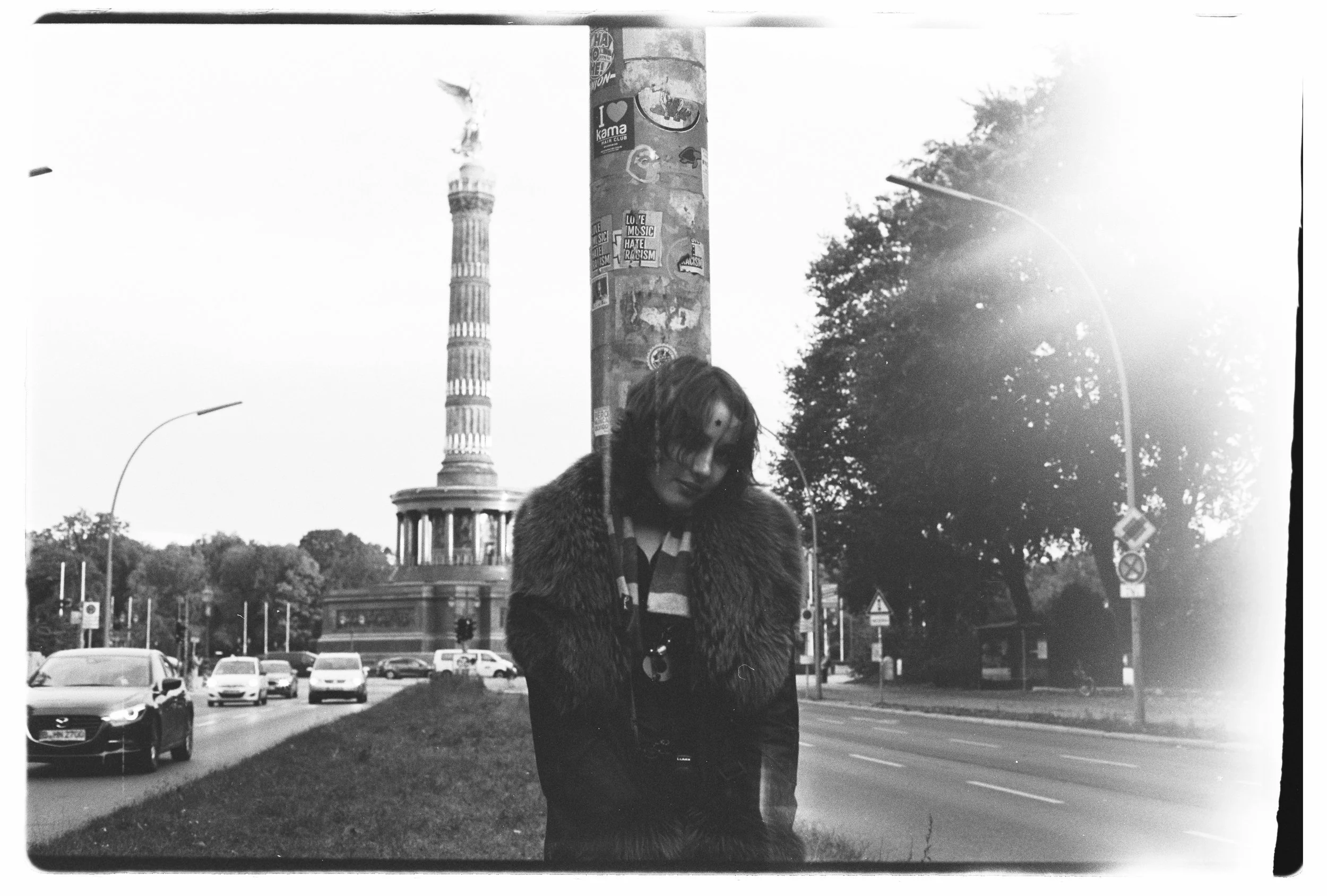

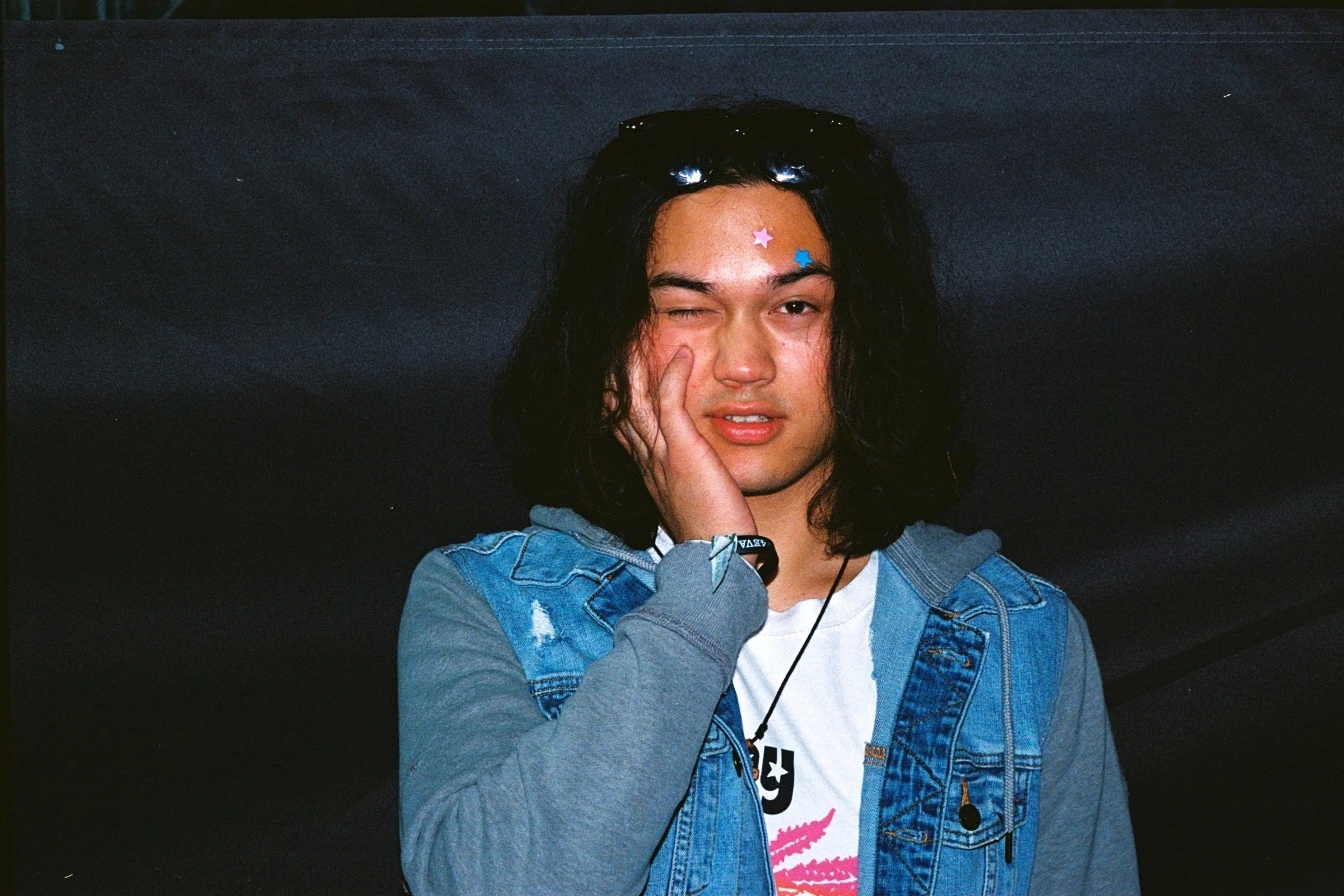
Rommulas
London, United Kingdom
Nov, ‘25
Portra 800
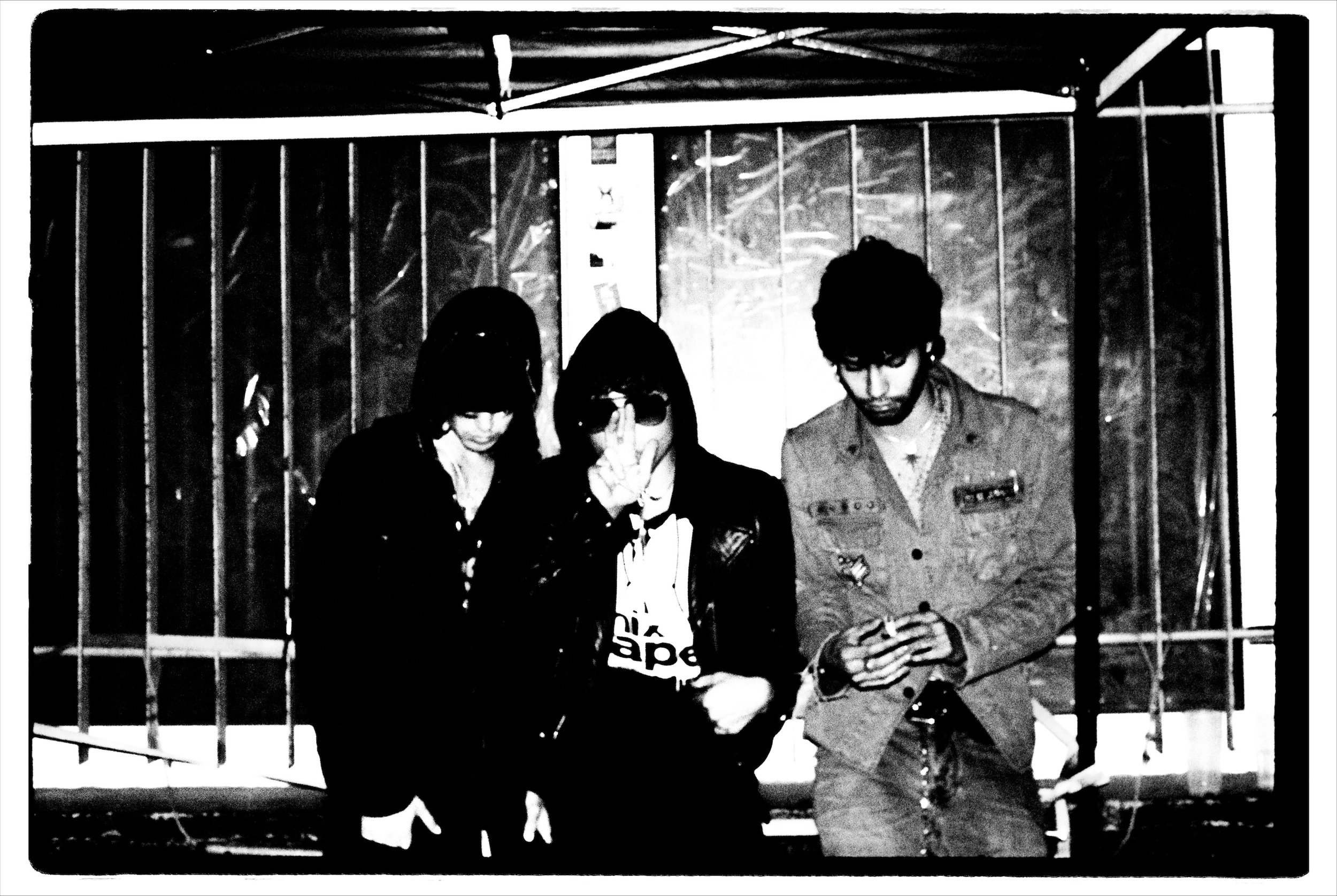
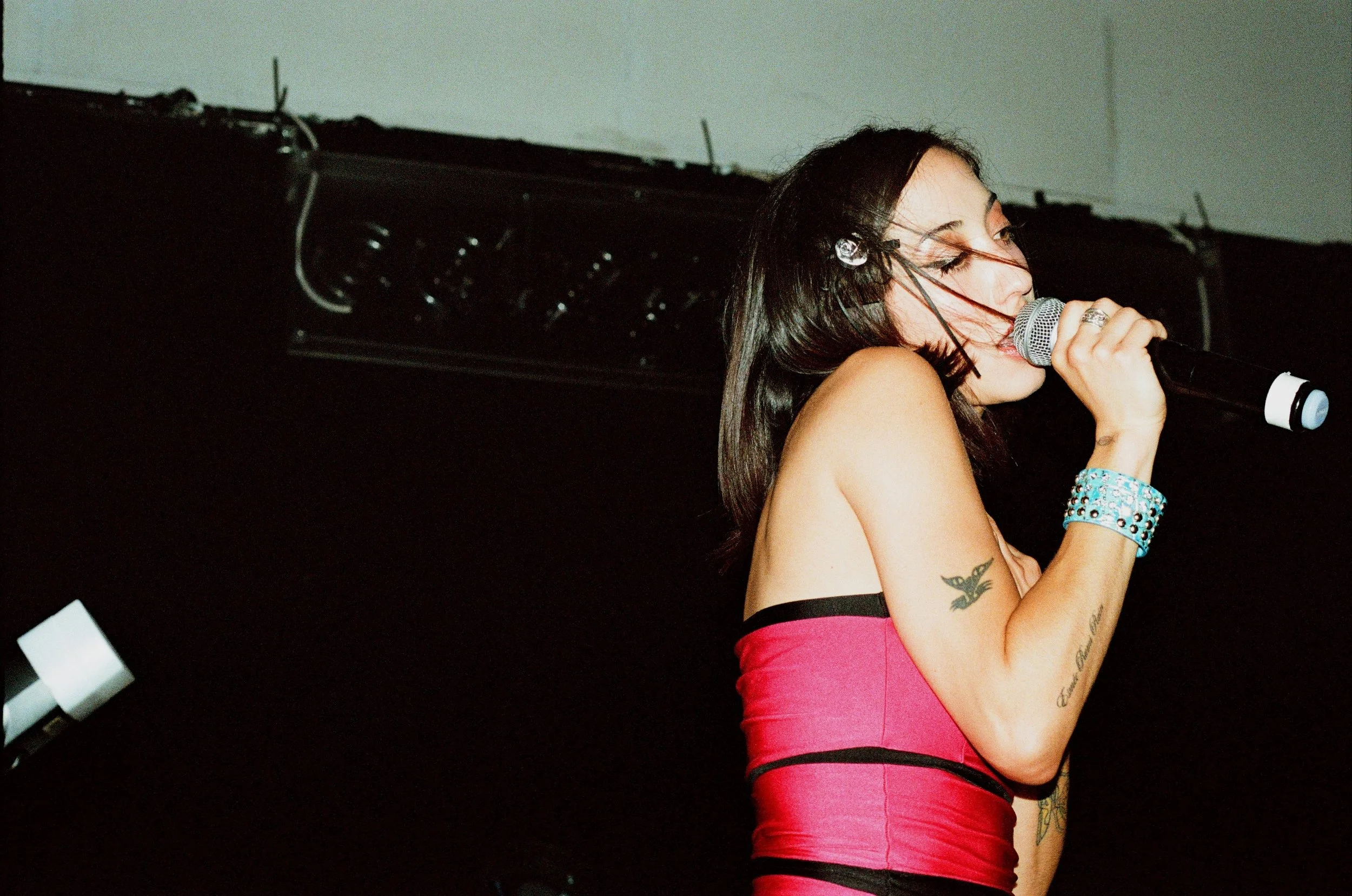
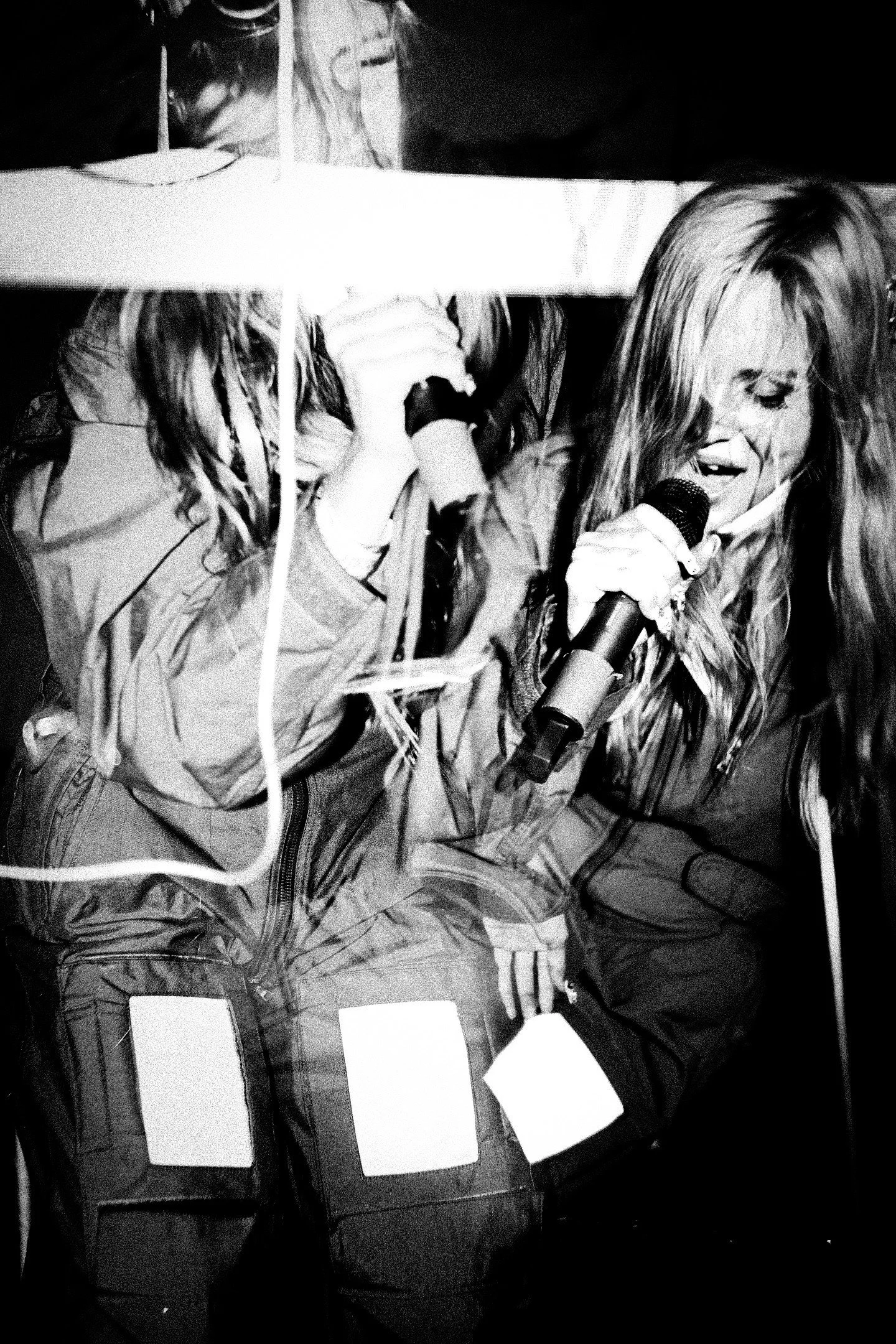
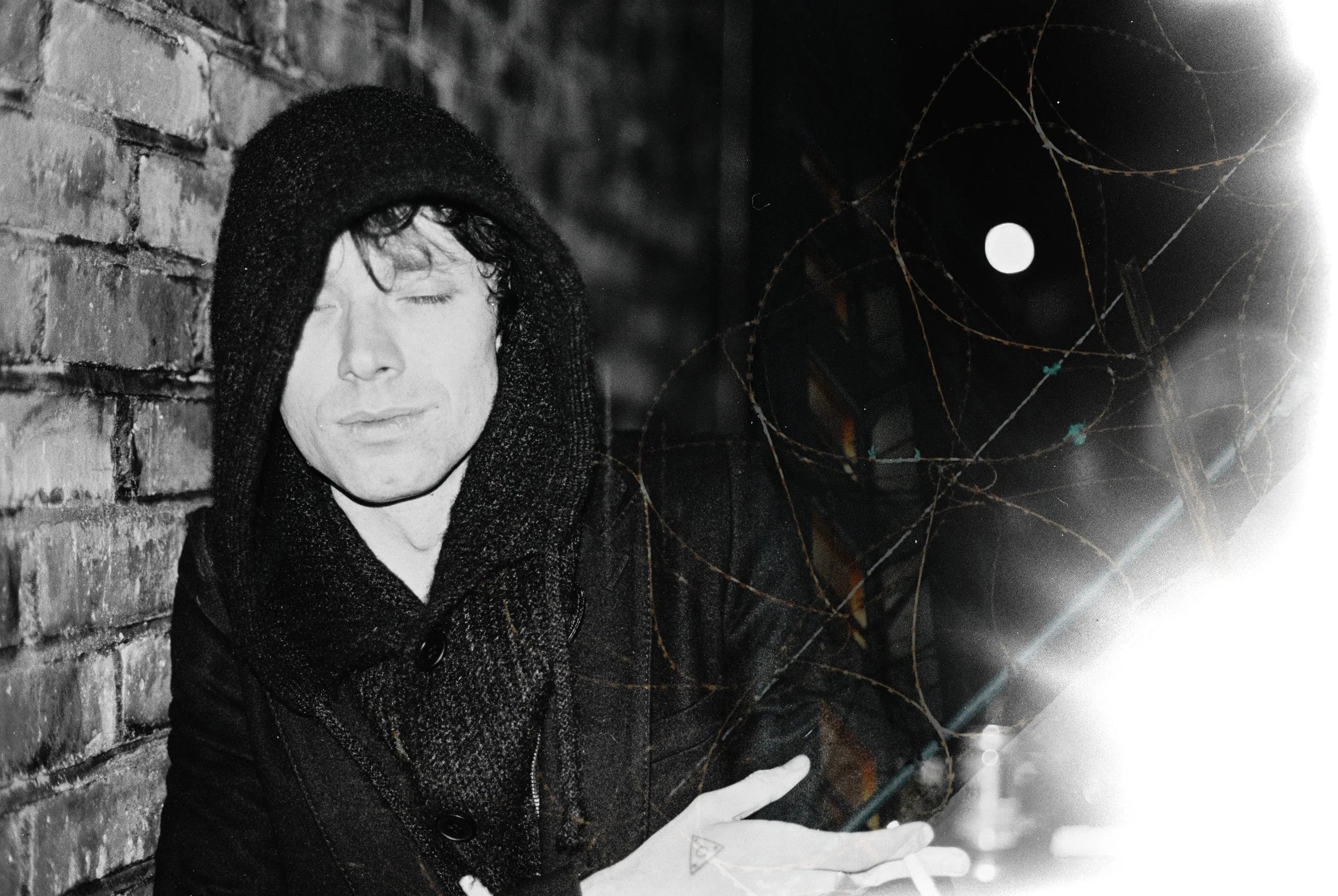
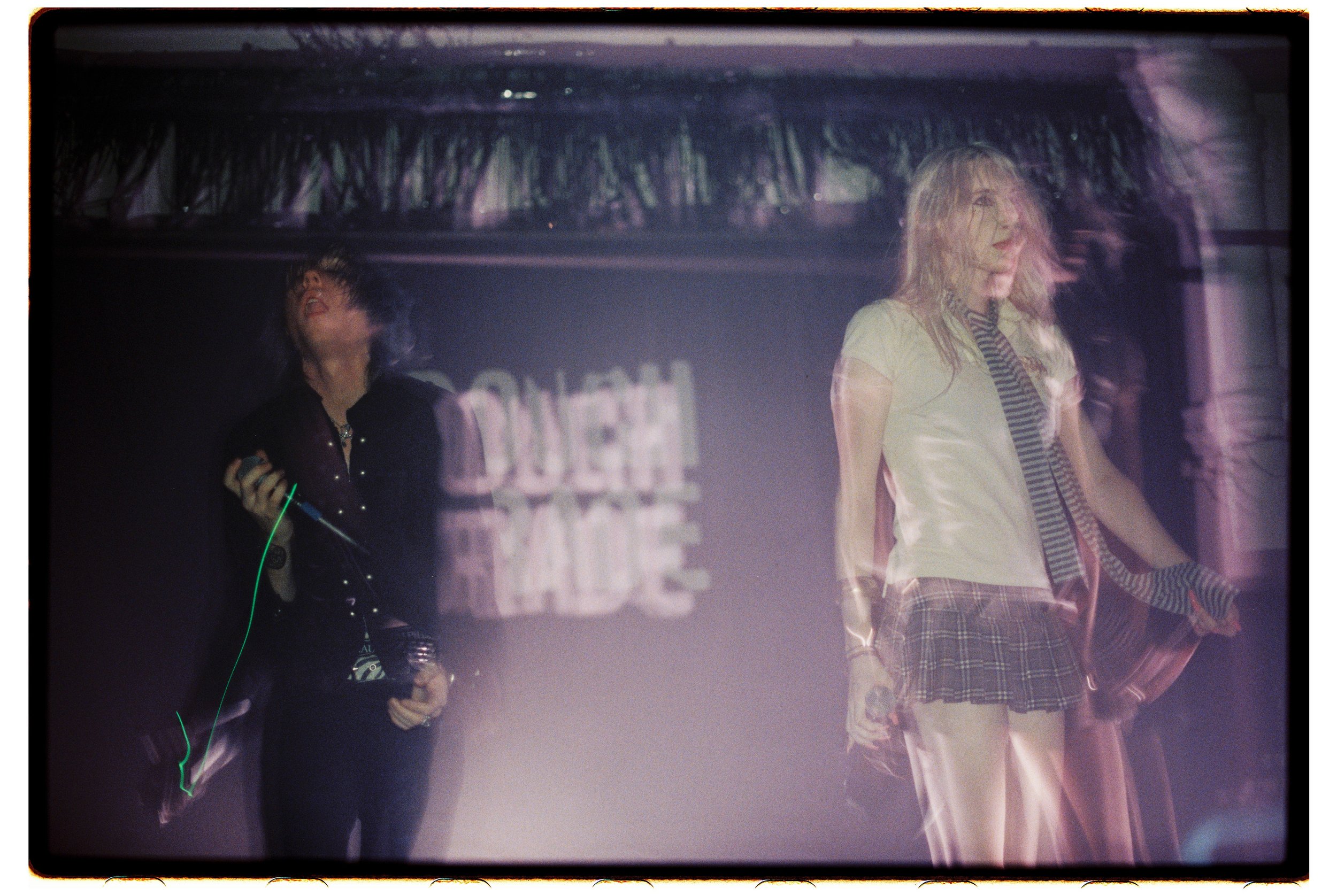
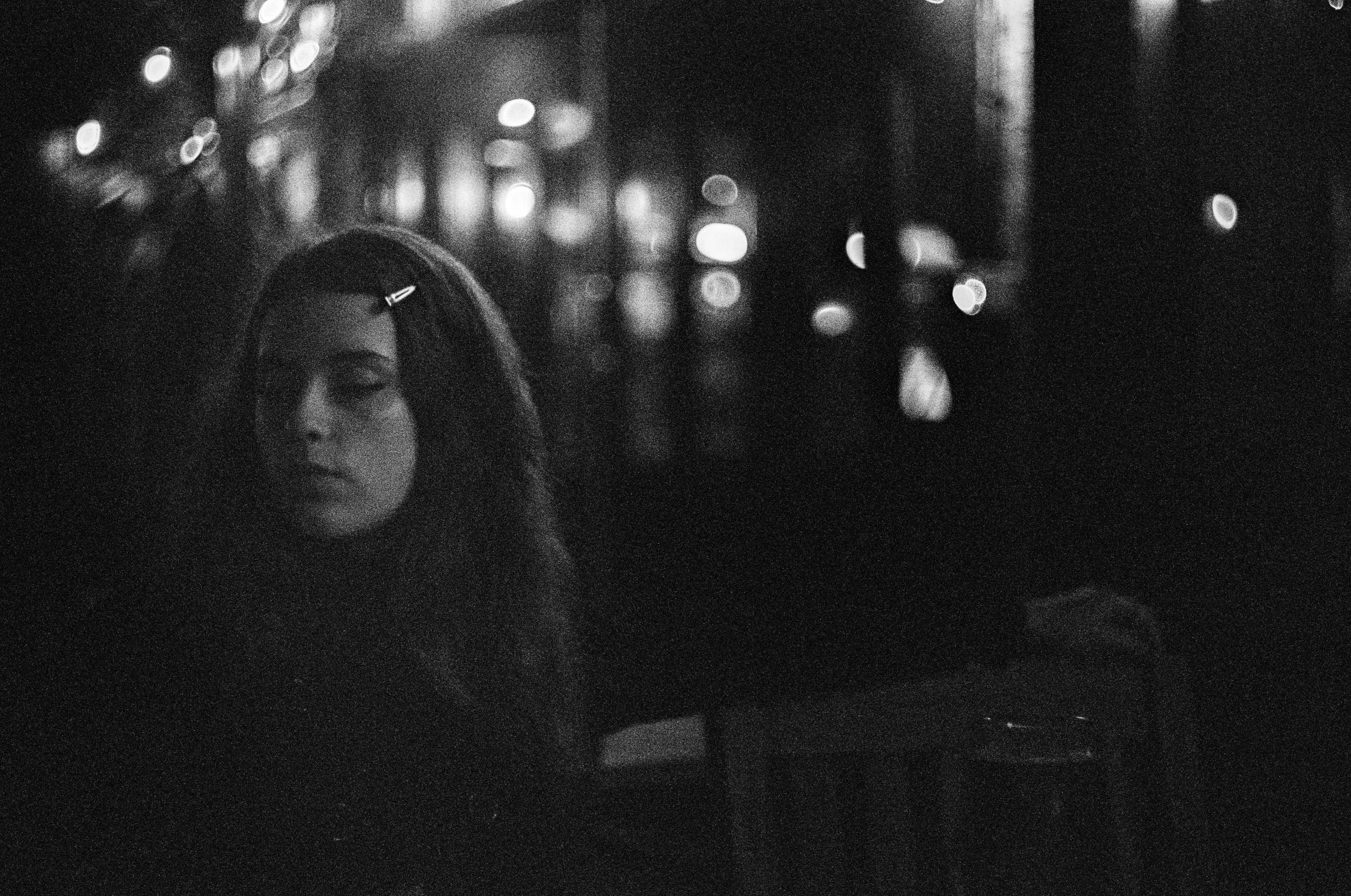
Chandler Ransom Lucy
The Hellp
London
November, ‘25
Ilford Delta 3200
Chrome Hill
Peak District, United Kingdom
Jan, ‘26
Ilford HP5 400
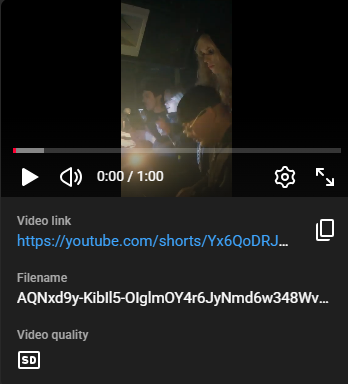
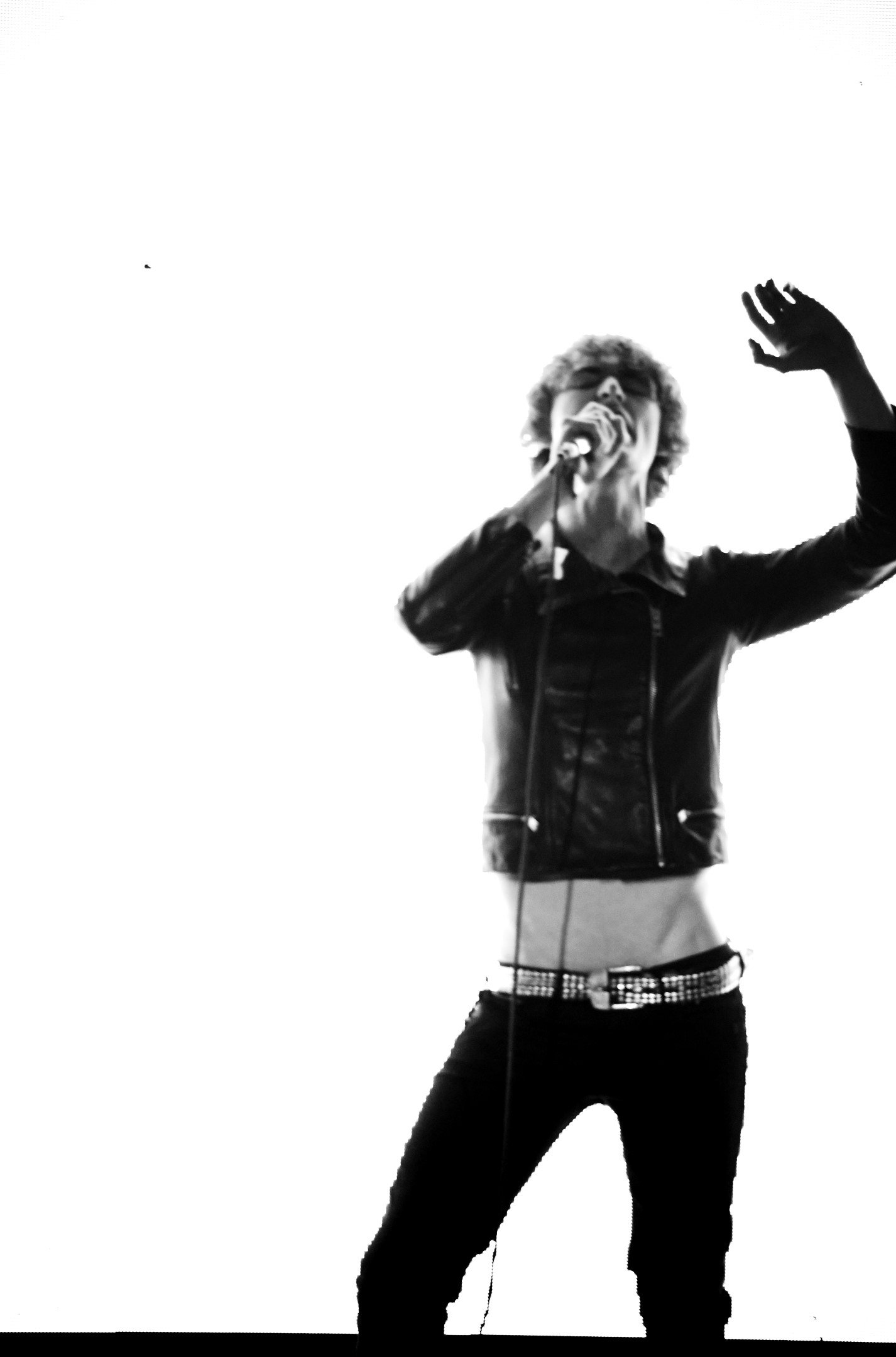
BTS PHOTOGRAPHY LINKS
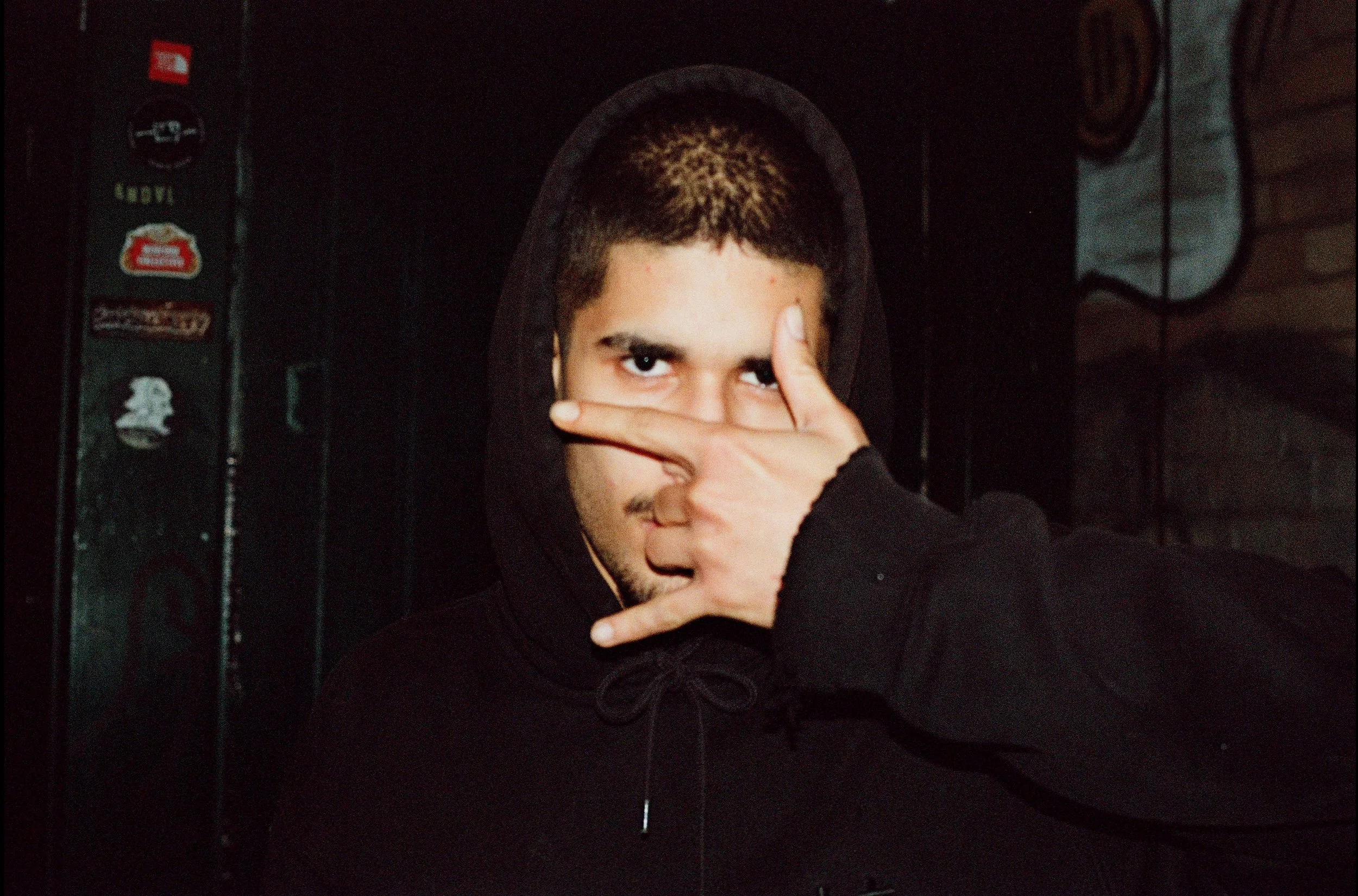
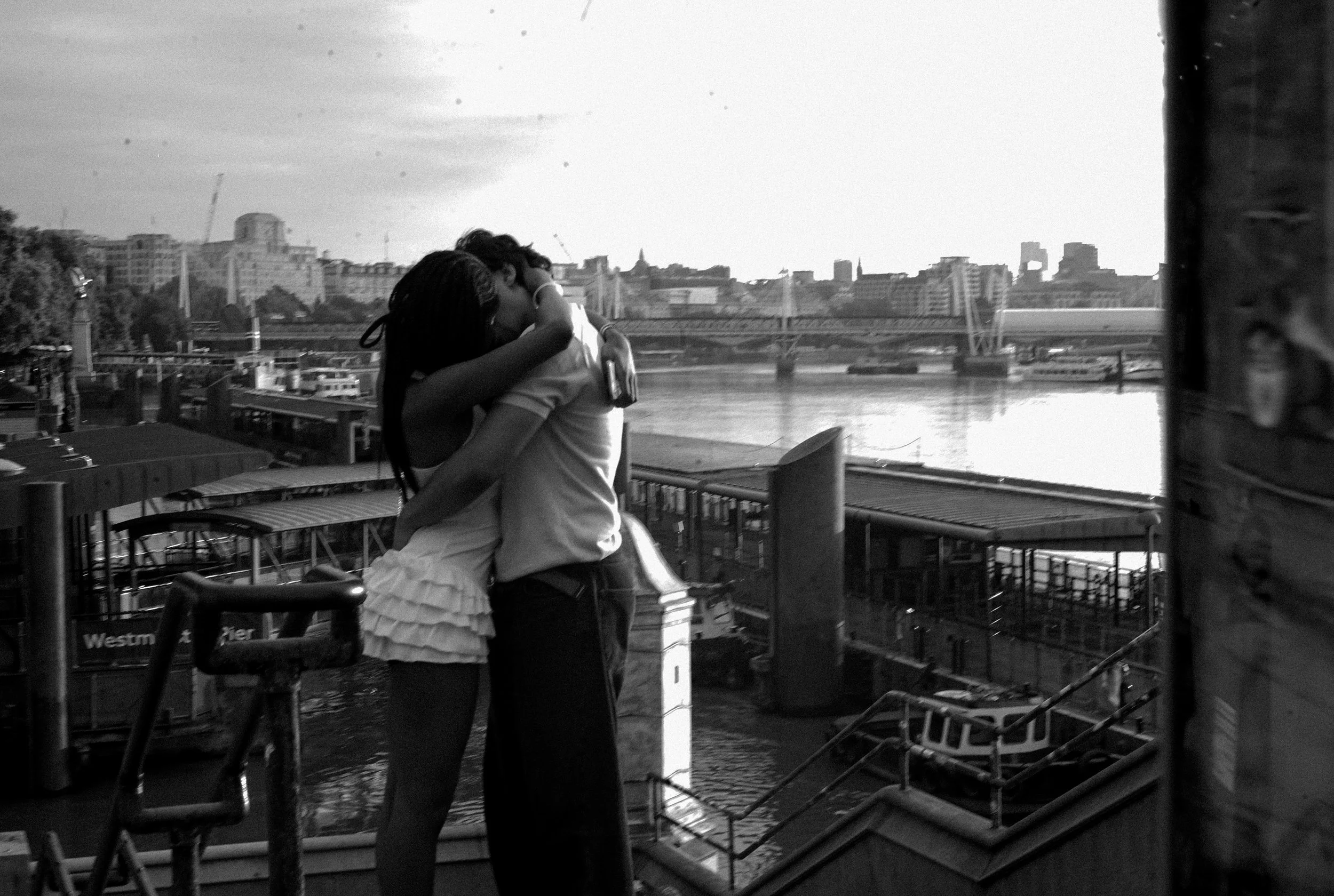
Westminster Kiss
London, United Kingdom
July, ‘25
Digital
Helios 44-M
Reflection on Feedback
The feedback highlights a balance between strong visual storytelling and the need for clearer structure and context. While my work successfully captures the atmosphere and authenticity of the event, I recognise that it could be improved by adding more explanation, refining shot selection, and developing a clearer narrative.
Moving forward, I will focus on:
Adding context through captions or short written sections
Improving consistency in footage quality, especially in low-light conditions
Structuring content more clearly to guide the viewer
This will help make my work both visually engaging and professionally structured.
Analysis & Synthesis (LO2)
Looking back at my pre-production process for the 2hollis London afterparty, I can see that my main strength was planning for a fast-paced and unpredictable environment. I made effective decisions with equipment and preparation, which helped me work efficiently in a crowded, low-light setting.
However, my planning could have been more detailed. For example, my shot list identified key moments but did not fully consider specific framing or backup options. This meant I relied more on reacting in the moment rather than following a clear structure.
A key pattern in my work is balancing planning with adaptability. While being flexible helped me capture authentic moments, stronger preparation would have made my workflow more consistent and professional.
I also demonstrated an understanding of professional practice through risk assessment, travel planning, and communication. This shows development beyond just filming, into wider production responsibilities.
Overall, this project helped me improve my ability to work under pressure and think on my feet. Moving forward, I will focus on creating more detailed pre-production plans while still keeping the flexibility needed for live events.
About: This portfolio documents my pre-production work across Semester 1, including planning, research, and development for various media projects. It showcases both my technical preparation and reflective practice as I progress towards industry standards.
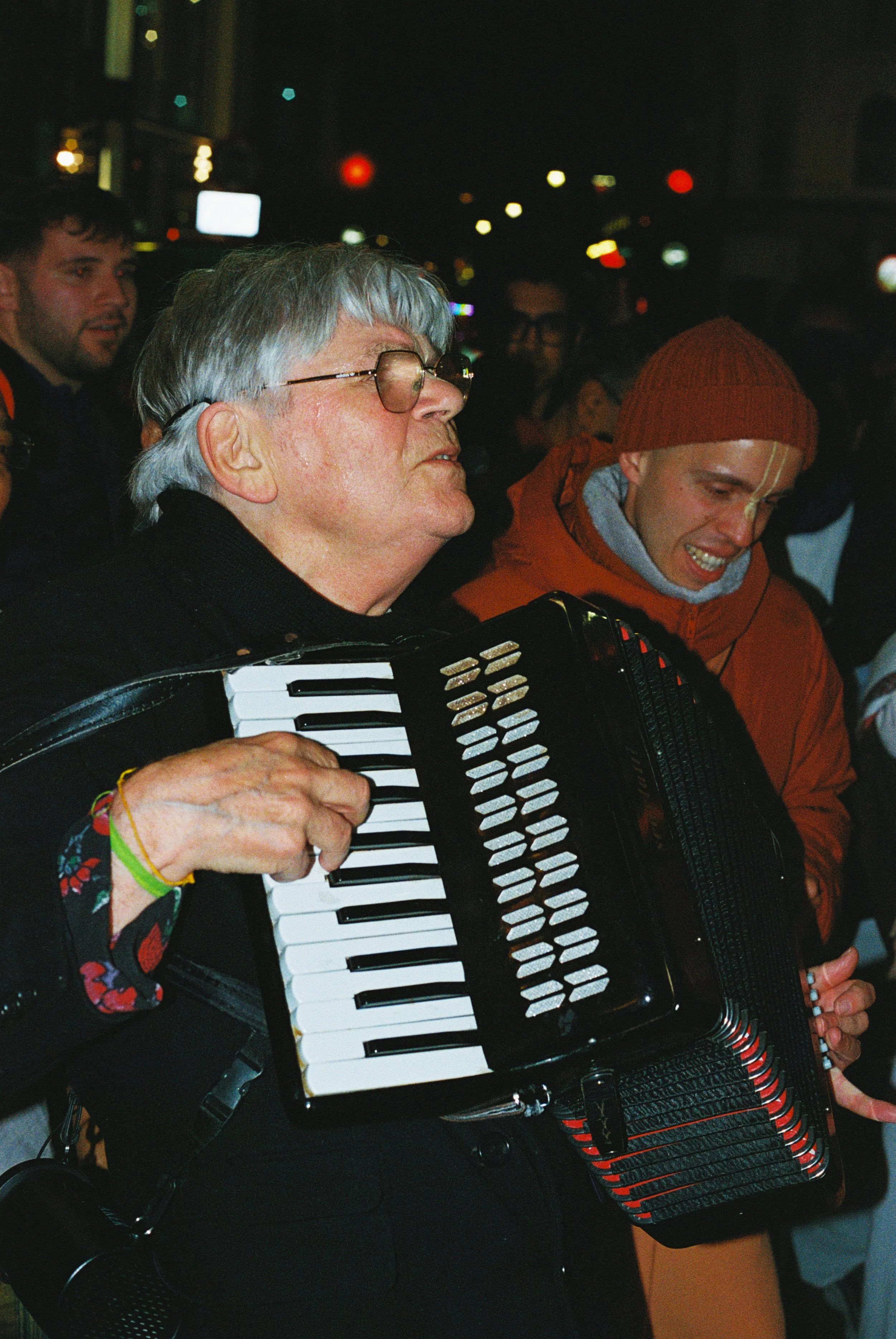
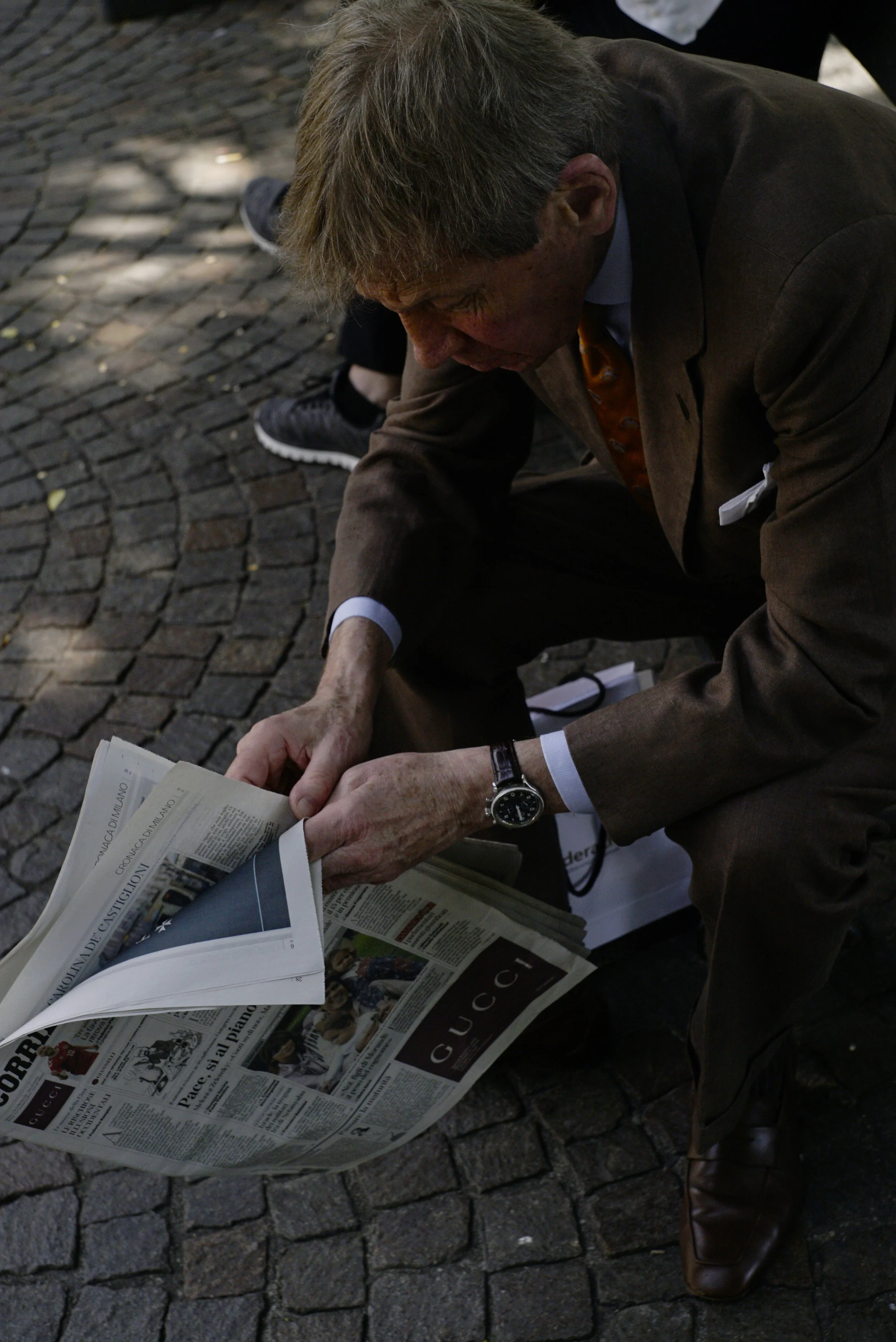
Oxord Street
London, United Kingdom
December, ‘25
Portra 800
Pre-Production Evidence
The following pre-production materials demonstrate my preparation for filming the 2hollis afterparty in London, a high-energy live music environment requiring detailed planning, adaptability, and risk awareness. The event took place in a late-night club setting following a major performance, typical of afterparties running into early morning hours (often around 23:00–03:00) .
Planning & Research
Event Research: I analysed the audience demographic and atmosphere associated with 2hollis events, which are known for high-energy crowds, dense environments, and strong visual identity (lighting, fashion, movement).
Location Research: I reviewed the venue layout in London (Brixton area), considering lighting conditions, crowd flow, and potential shooting positions.
Creative Direction: Developed a visual approach focused on raw, immersive documentation (BTS-style footage, crowd interaction, and artist presence).
Pre-Production Documentation
Shot List: Planned key shots including crowd energy, DJ/artist moments, environmental details, and transitional footage to capture the narrative of the night.
Call Sheet: Created a structured timeline including travel, arrival, shooting windows, and contingency time due to the unpredictable nature of nightlife events.
Equipment Planning: Selected low-light capable camera equipment and portable gear suitable for handheld shooting in crowded environments.
Risk Assessment
A full risk assessment was conducted prior to travel and filming, identifying key hazards:
Crowd Density: Risk of physical contact, equipment damage, or restricted movement in tightly packed spaces.
Low Lighting Conditions: Increased difficulty in capturing stable, usable footage.
Late-Night Filming: Fatigue and reduced alertness during early morning hours.
Equipment Safety: Risk of theft or damage in a busy club environment.
Travel Risks: Travelling from outside London required planning for delays, last transport times, and safe return.
Control measures included:
Using minimal, portable gear
Securing equipment at all times
Maintaining awareness of exits and safe positions within the venue
Planning travel routes and backup options in advance
Travel & Logistics
Planned and executed travel to London, including transport timing to ensure arrival before the event start.
Considered return travel constraints due to the late-night nature of the shoot.
Budgeted for transport and potential overnight contingencies if required.
Communication & Coordination
Coordinated with event organisers and peers prior to the shoot to confirm access and expectations.
Used digital communication (messages/emails) to align on timings, meeting points, and filming permissions.
Feedback from Family (Mother)
“The page is visually strong and feels very real and immersive. I like how it captures the energy of the night and gives a sense of what it was like to be there. The photos and videos feel natural rather than staged, which makes it more engaging to watch.”
However, she also highlighted areas for improvement:
“As someone not familiar with this type of event, I found it slightly difficult to understand the context. There isn’t much explanation about what the event is, where it is, or what you were trying to achieve. Adding a short introduction or captions would make it clearer and more accessible.”
Feedback from Peer (Fellow photographer and friend)
“The content is hard. It really captures the chaos and energy of a 2hollis afterparty — especially the crowd shots and lighting. It feels authentic to the culture and not forced, which is important for this kind of scene.”
This reflects the reality of these events, which are typically high-energy, crowded, and run late into the night in club environments .
They also identified improvements:
“Some of the clips feel a bit unstructured. It looks good visually, but it could be stronger if there was more of a clear narrative or progression. Also, some shots are quite dark or unclear, so improving consistency in quality would take it to the next level.”
Reflective Practice (LO3)
What I discovered
Through documenting the 2hollis London afterparty, I discovered the importance of adaptability within unpredictable live environments. Unlike controlled shoots, the event presented constant changes in lighting, crowd movement, and access to key moments. This pushed me to think more reactively and make creative decisions in real time. I also developed a deeper understanding of how atmosphere and energy contribute to visual storytelling, particularly within nightlife culture where authenticity is key.
How it helped my hard skills
This experience significantly developed my technical abilities, particularly in low-light videography and handheld shooting. I improved my understanding of camera settings such as ISO, shutter speed, and focus control under challenging lighting conditions. Additionally, I became more confident operating equipment in fast-paced environments without disrupting the event. My ability to capture usable footage in uncontrolled situations improved, as I learned to anticipate moments rather than rely on staged setups.
How it helped my soft skills
The project strengthened my communication and situational awareness. Working within a crowded and high-energy environment required me to be aware of others while still achieving my creative goals. I developed confidence in navigating social spaces professionally, interacting with organisers and attendees where necessary. Time management and decision-making were also key, as I had to balance capturing content with maintaining safety and awareness of my surroundings.
Where else I can use it
The skills developed during this project are highly transferable to future work in live events, music videography, and documentary-style content. The ability to adapt quickly, work under pressure, and capture authentic moments is essential within the creative industries. Moving forward, I will apply these skills to improve the efficiency and quality of my production work, particularly in environments that require a balance between technical control and creative spontaneity.